






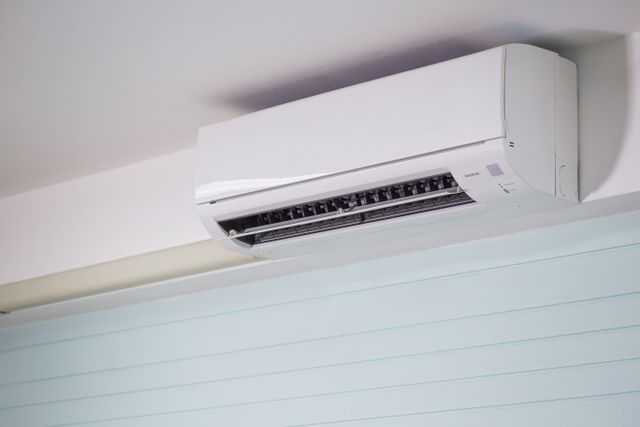
If the answer to Melbourne’s air conditioning needs were cut and dried, every home in the city would have the same system installed, right? Wrong. They don’t, and that variety actually reveals a simple truth: the right choice for aircon depends on the type of property, the householders’ lifestyle and routines, and Melbourne’s notoriously unpredictable climate, none of which bear any resemblance to one another, even across suburbs. The temptation to simply go with what seems most popular or what the nearest installer pushes first is a mistake that can have a lasting impact; the system you choose will affect your daily comfort and energy bills for the next 15 years.
Why Evaporative Cooling Fails In Melbourne?
Evaporative cooling relies on the simple fact that dry air that’s passed over water-soaked pads has heat taken out of it as it evaporates. The catch is you need low humidity for this to work well; when the air’s already carrying all it can handle, it just won’t take on any more moisture. Melbourne’s summers are notorious for pushing humidity levels well over 60% on the hottest days, which is exactly when evaporative cooling systems start to fall apart.
Sustainability Victoria’s energy data paints a clear picture. When it comes to Melbourne Air Conditioning, Melburnians tend to stick with refrigerative cooling, even though evaporative systems do all right during the milder months of spring and early summer. But it’s when those heatwave events come along, and cooling is needed most, that evaporative systems consistently fall short. Many households that went with evaporative-only have since had to add a refrigerative system to make up for the lack.
Where a Split System Really Excels?
A single split system will keep one area nice and cool. For a compact studio apartment, a small one-bedroom unit, or a defined open-plan area up to roughly 50 square metres, a correctly sized split system is perfect. Installation is relatively cheap, the running costs for a single zone are easy to manage, and maintenance is a piece of cake.
However, there’s a catch: a split system in the living area makes that area comfortable, but leaves all the other rooms right at room temperature. You can get around this to a degree with separate systems for different rooms, but that just means more energy draw and more maintenance to boot. To put it bluntly, installing three separate systems across a three-bedroom home will generally end up costing more over the system’s lifetime than a single properly zoned ducted installation.
Ducted Systems and the Consistency Argument
A ducted reverse cycle system distributes air through a network of ceiling ducts to every room, keeping the whole house at a consistent temperature. And with zoning you can shut off areas that are not being used, so you’re not running the whole house when no one’s home during the day or asleep at night. This makes sense for households where the bedrooms are empty during the day, but the living areas are unused at night; you can configure the zones to match that perfectly.
Now it’s true, the upfront cost of a ducted system is higher than a single split system. But for bigger homes (150 sq metres plus) where multiple areas are always in use, the per-zone comparison normally swings in favour of ducted over the long haul.
Multi-Head Split Systems: Where the Middle Ground Lies
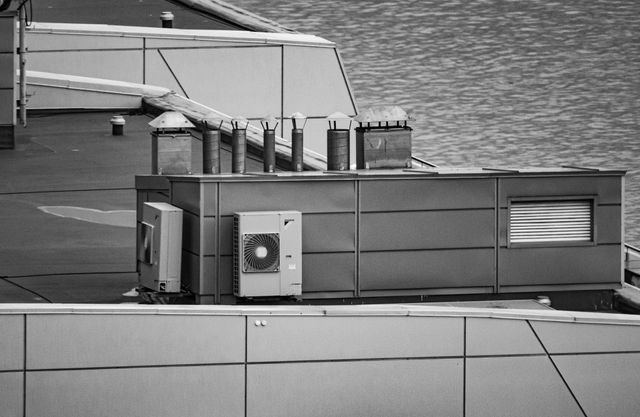
Multi-head systems connect multiple indoor units to a single outdoor compressor. Unlike traditional split systems, they do not require ceiling duct installation and are thus suitable for cases where access to the roof is difficult or the ceiling cavity is not deep enough for ductwork. The drawback of this kind of system is that they share capacity; all indoor units are powered by a single outdoor unit and, at the same time, using the maximum capacity of all indoor units lowers their capacity in each separate room. If there are two or three rooms that need to be conditioned but a complete ducted system cannot be installed in the house, then multi-head is the best option.
Choosing Based on Home Utilisation
Individual split systems are more suitable for use in the case of a holiday home that is rarely used for a limited time because conditioning of the entire house that is not occupied is unnecessary. In the case of working from home full-time in several rooms, the need for a conditioned whole home during the day is necessary, thus tipping the balance towards either ducted or multi-head. The needs of renting houses are quite different; here costs of the installation and maintenance are often prioritised over running cost optimisation when someone else, rather than the homeowner, has to pay for electricity.
In Melbourne, choice of air conditioning depends as much on usage of the house as on the house itself.








Leave a comment