





Port Melbourne’s housing scene poses a challenge to ducted heating and cooling Port Melbourne that broad product catalogues can’t quite nail. One of the reasons is the variety of buildings going up in the suburb. We’re talking old Victorians, apartments from the 1990s and 2000s, converted warehouses, and even brand new townhouses near the water. With each type of building comes its own set of installation headaches. You’ve then got the salty sea air to contend with, something that properties 20 kilometres inland just don’t have to deal with. You can’t just slap a standard solution on a ducted system in this suburb. You really need a local who knows the score.
Port Melbourne’s Housing Mix and What It Means for System Selection
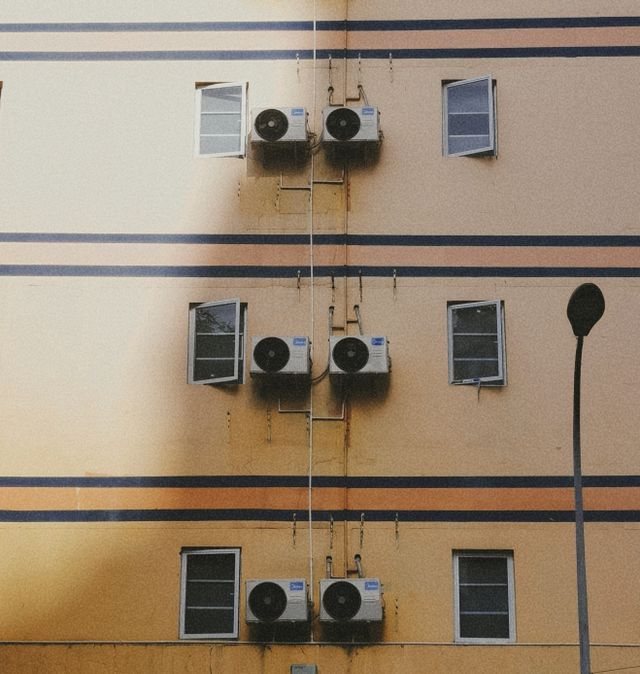
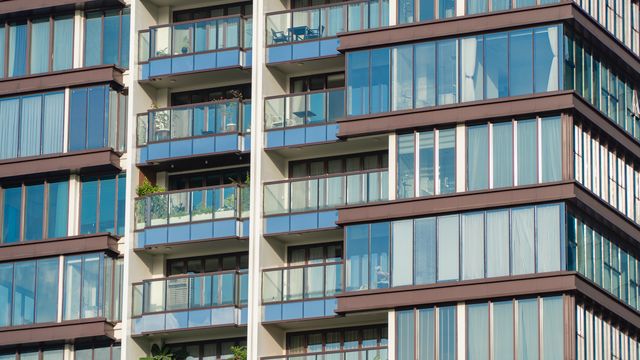
The old Victorian terraces are the most tricky to get ducted systems installed in. They often have ceilings that are too low for the usual ceiling void ductwork. The walls are so narrow that traditional ducting doesn’t fit. Many of the buildings are heritage listed, so you can’t just go poking holes in the walls without asking permission. In a lot of cases, the best option is to snake the ducts under the floor or build a bulkhead. Both options have their own set of pros and cons when it comes to cost and performance. The newer apartment blocks introduce a different kind of headache. The body corporate is often the one who gets to decide where the external condenser units get placed. There are heaps of rules and regulations, not to mention the Melbourne City Council’s own set of restrictions, that dictate where they can and can’t go. Some buildings have already got the installation zones sorted out. Others require each owner to get permission individually before any work can even start. Starting a ducted system project in a block of apartments without knowing what hoops you are going to have to jump through is a great way to blow your budget.
Coastal Considerations: Salt Air and System Longevity
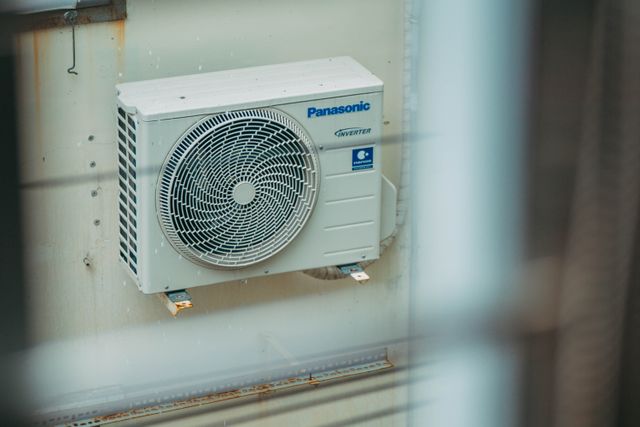
Because Port Melbourne is right next to Port Phillip Bay, any external condenser units are going to get exposed to salt air. That spells trouble for standard coil materials because they corrode a lot faster. To combat this, you can get marine-grade coatings and units that are built to withstand the salty environment. These cost a bit more upfront. The pay-off comes in the long run because they’ll last heaps longer than standard units. If you just go with standard units in a coastal location without any extra protection, you can expect to see corrosion in the heat exchanger within five years. That’s when you’ll need to shell out for repairs or get a whole new unit.
What Marine-Grade Protection Actually Means?
So what exactly sets marine-grade equipment apart from your average standard equipment? It’s not like it’s got any extra bells and whistles. It’s just built to last longer. Whether it’s a factory-applied epoxy coating or a special marine coating applied on-site, the trade-off is between upfront cost and long-term performance. Your system will keep humming along for longer without needing repairs or replacement.
Reverse Cycle Ducted vs Gas: Port Melbourne’s Specific Energy Context
In Port Melbourne, there’s been a bunch of new apartment developments go up in the last few years. As a result, all-electric configurations have become the norm. For the people who are still using gas-ducted heating, the conversation about converting to a reverse-cycle ducted system has become a lot more relevant. The VEU program is handing out rebates for whole-home gas replacement, up to $5,530 for eligible installs.
Planning and Body Corporate Requirements for Apartment Buildings
Residents of Port Melbourne apartments have to contend with approval requirements that freestanding homes in the area don’t have to worry about. You’ve got to get the outdoor unit placement right, so it ticks the boxes on body corporate bylaws as well as Melbourne City Council planning controls and noise regulations. That can be a challenge. Having an installer who’s well-versed in Port Melbourne’s specific planning landscape can help you navigate it. We’re talking about knowing which way to jump to get approval and structuring the project in a way that minimises delays.
Choosing a Local Installer: What Matters Beyond Licensing
You’ve got a choice when it comes to who to use, the Melbourne-wide installers or a local specialist. ARCtick certification is the minimum requirement for handling refrigerants. That’s just the starting point. What really matters is experience with the type of buildings you’ve got here in Port Melbourne, whether that’s old or new, terraces or high-rise. It isn’t just about experience with the buildings. It’s about being familiar with the planning requirements that apply here. It’s also about having a service setup that can do warranty work quickly when you need it because, trust us, the timing can get tricky in Port Melbourne.






Leave a comment