






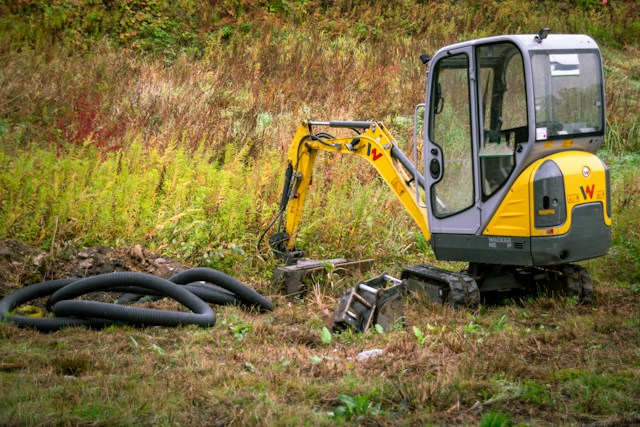
A mini excavator would be able to finish digging in one day’s time, a job that could take up to a week to be completed manually. The problems start when this machine can’t access the area through the gate, works above an unidentified cable, or lifts a load that exceeds its lifting capability. Most of the above-mentioned challenges could be sorted out beforehand.
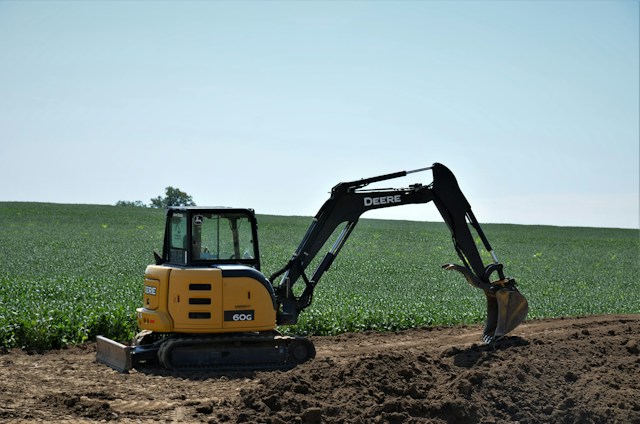
A Prosperous Construction Industry
In Western Australia, 24,544 dwellings were approved in the year ending January 2026. This is a 13.2 per cent increase and the largest figure for four years. The high numbers of approvals mean that there is more work related to concrete slabs, drainage systems, swimming pools, and retaining walls, all carried out by small excavators. It is important to plan ahead, due to high demand for mini digger excavator hire Perth services.
Choose Your Excavator Carefully
It makes no sense to lug the biggest excavator you can find onto the site just because you think it must be the right tool for the job. To start with, measure the narrowest gap between the road and the excavation area. That could be a side gate, a gap in the fence or a really tight passage beside the house.
Then you need to think about how deep and how far you need to dig. Trenching for drainage needs a fairly good depth, while landscaping usually works much better with machines that are smaller and more compact, so they don’t mess up the neighbour’s lawn. If you are working with lots of paving, rubber tracks can save the day, and a bigger, heavier machine is more suited to digging in clay or rock.
Always double-check the actual width and transport weight of the machine with the hire company; their spec sheet may not match what you get delivered.
Get a Sense of What Lurks Beneath the Surface
You most definitely do not want to go smashing into any underground pipes or cables with that big digging machine. Before you even start digging, get in touch with Before You Dig Australia and submit an enquiry; don’t put it off till later, do it before you start work. You’ll get a pretty good idea of how long it will take for the info to get back to you, but sometimes it might turn up sooner than expected and sometimes a bit later than expected.
Even doing that doesn’t guarantee that you will know where everything is. Some of the asset owners may not be signed up with Before You Dig, so you’re on your own and need to make sure you identify everything that’s underground. Be on the lookout for private cables, the ones that connect a metre box to a shed, for example. Always double-check the plan, get in touch with the asset owner if you are not sure, and always make sure to include the referral ID in your correspondence.
Western Power has a pretty good approach to working near their network: plan ahead, take note of any potholes (you don’t want to fall in!), take all the necessary precautions and then proceed with caution. The Western Australia excavation code of practice also has a useful rule of thumb: never, ever use a mechanical excavator to try to find out what’s hidden underground; that’s a recipe for disaster. A safer approach is to dig by hand, or use a vacuum digger where it’s allowed.
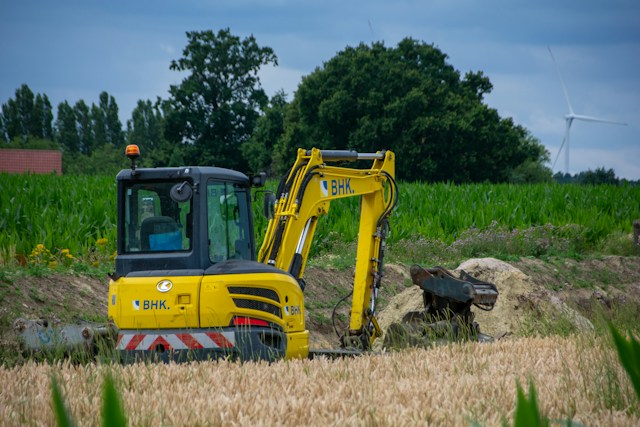
Don’t Confuse an Excavator with a Crane (Unless It’s Been Rigged Up As One)
It might seem like a good idea to use the excavator to lift up pipes and posts, but the rules for that are pretty clear. If you want to use the excavator as a makeshift crane, it needs to be properly set up for it, and that doesn’t just mean slapping on a chain and hoping for the best.
First of all, the operator needs a high-risk work licence. And even that is not the only thing that needs to be sorted out; you’ll need to make sure they have all the necessary training, experience and competence to operate it safely. And you’ll also need to make sure the machine itself is rated for lifting and you know exactly how heavy it can safely handle. Think about it: no way are you going to get away with just tossing a wire around a bucket.
If possible, try to get the pipes and materials delivered right next to the trench; no need to use the excavator to lift them.






Leave a comment