





A backyard doesn’t have to be massive to be functional. A tight side path can be transformed into a clean access route, an unused patch next to the house can be transformed into a barbecue area and a tired patio can be re-shaped into a practical extension of the living space. The best improvements start by thinking about how people will move thru the yard, before you choose colours or decorative finishes.
Walk the site at different times of day. Notice where water sits after rain, where bins are wheeled, where children or pets run, and which doors are used most often. Consider how furniture will be carried outside and whether lawn equipment needs a clear route. These observations help determine where a durable paved surface adds value and where keeping soft landscaping makes the garden feel balanced.
Start With Movement Through the Yard
For homeowners considering concrete baulkham hills projects, layout should come before finish selection. A patio that looks attractive but blocks drainage or creates a narrow pinch point can become frustrating. Measure doors, steps, garden beds, downpipes, and existing levels. A simple sketch showing movement from the house to the yard can prevent a new slab from solving one problem while creating another.
Think of the surface as a series of zones rather than one large rectangle. A dining space needs enough space to pull out chairs comfortably. A path only needs to support movement. A barbecue station may benefit from a defined edge and nearby service access. Breaking the design into functions can make a compact backyard feel larger because every section has a clear purpose.
Design Separate Zones for Separate Jobs
Drainage and transitions deserve the same attention as the visible finish. Water should move away from the building and avoid collecting at thresholds. Changes between concrete, lawn, gravel, decking, or garden beds should be deliberate so edges remain easy to maintain. Where there are level changes, steps and slopes need to feel natural in the walking route rather than inserted as an afterthought.
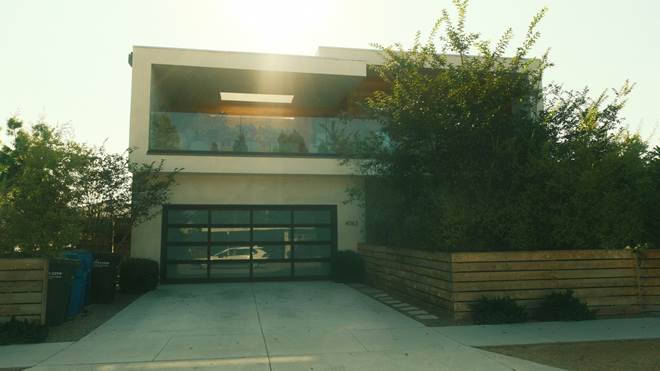
Colour and texture can then support the overall character of the property. A restrained finish may suit a modern facade, while a more textured surface can soften a large paved area. Outdoor furniture, pots, shade, and planting will eventually cover parts of the slab, so choose a finish that works as a background rather than competing with every other element in the yard.
Let the Finish Support the Landscape
A practical outdoor zone succeeds because it makes everyday tasks easier. It gives wet shoes a clear path, creates a stable place for a table, reduces muddy access, and connects the house with the garden. By planning circulation, drainage, proportions, and transitions before concentrating on appearance, homeowners can create a surface that feels integrated with the yard instead of looking like a hard patch added wherever space happened to be available. Before finalising dimensions, place temporary chairs, bins, or planters on the proposed footprint; full-size objects often reveal circulation issues that measurements alone can hide.








Leave a comment