






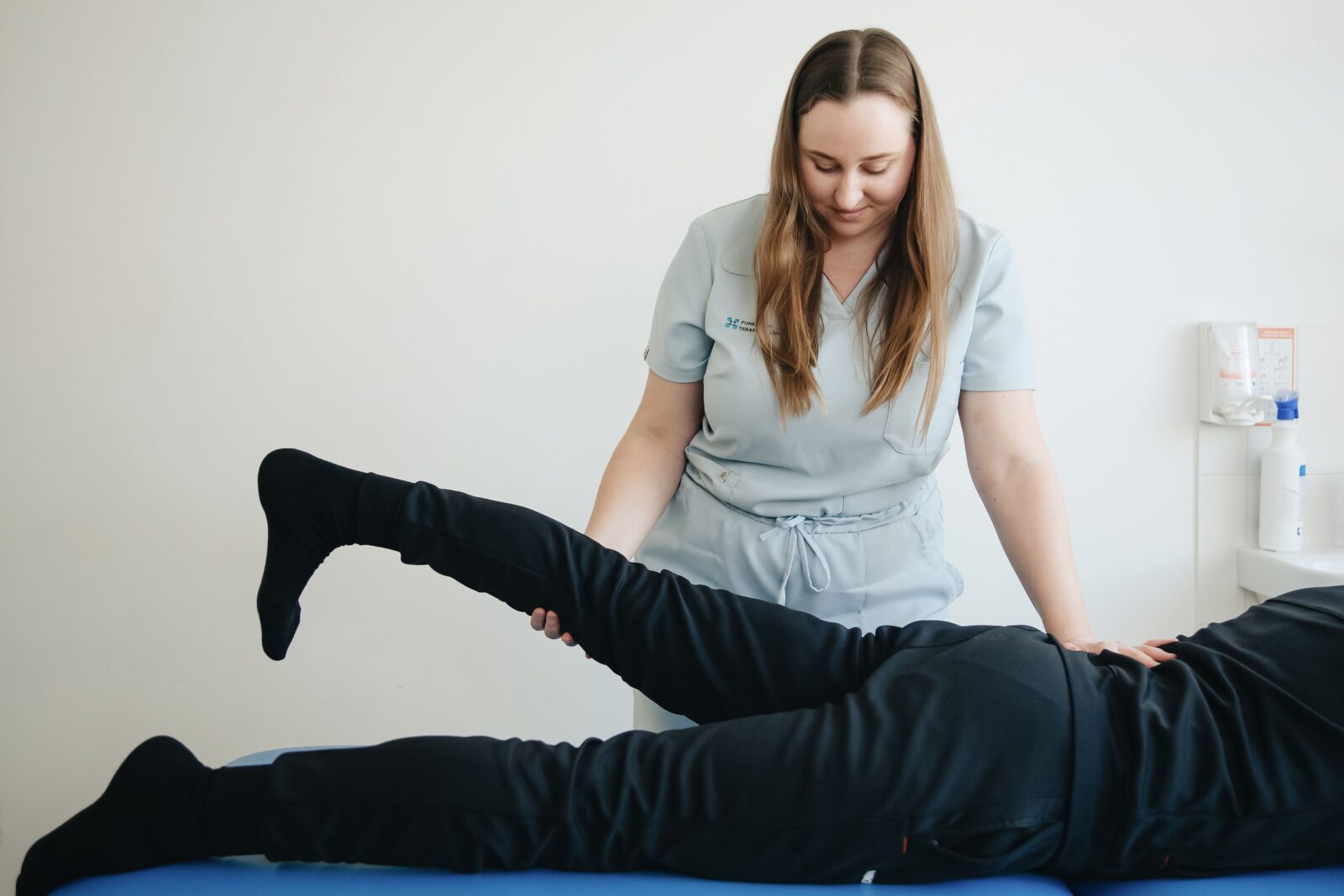
Experiencing ongoing muscle or joint discomfort is one of the common reasons people seek physiotherapy. Activities such as lifting heavy objects, repetitive movements, prolonged sitting, and physically demanding work can contribute to muscle tension and joint problems.
If discomfort continues or regularly returns, a physiotherapist can assess your movement patterns, flexibility, and muscle function. Based on the assessment, they may recommend targeted exercises, mobility activities, and other appropriate treatment techniques.
Early professional assessment can help identify contributing factors and provide guidance on managing physical discomfort effectively.
Recovering from Sports Injuries
Sports injuries can affect muscles, tendons, ligaments, and joints, making physical activities difficult. Common examples include ankle sprains, hamstring strains, shoulder injuries, and knee problems.
Physiotherapy can play an important role in Backin Motion physio Werribee following these injuries. A treatment programme may include strengthening exercises, balance training, flexibility activities, and controlled movements designed to restore physical function.
The exercises should match the severity of the injury and the individual’s recovery progress. Professional guidance can also help athletes gradually return to their preferred activities without placing unnecessary strain on recovering tissues.
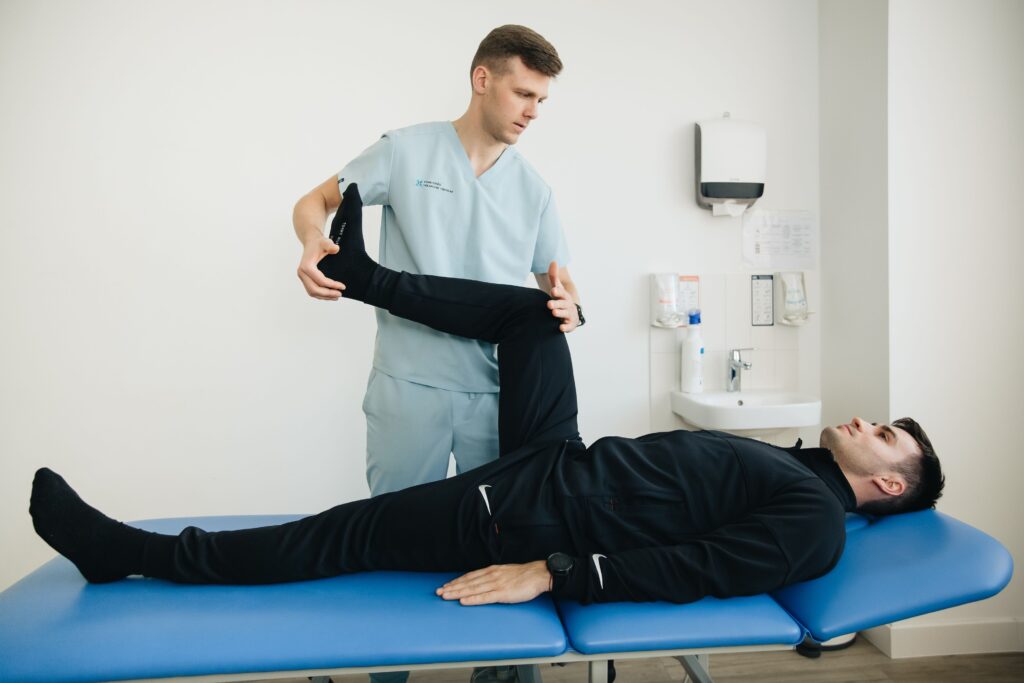
Experiencing Reduced Mobility and Flexibility
Difficulty bending, stretching, walking, or moving certain joints comfortably can affect everyday independence. Reduced mobility may develop because of injuries, prolonged inactivity, ageing, or certain medical conditions.
A physiotherapist can evaluate joint movement, muscle flexibility, and physical strength to identify areas that need improvement.
Depending on the assessment, treatment may involve gentle stretching, controlled mobility exercises, and progressive strengthening activities.
These approaches can help individuals improve their movement capabilities and make everyday activities more manageable.
Following Surgery or Medical Treatment
Rehabilitation may be necessary after certain surgical procedures, particularly those involving muscles, bones, and joints.
For example, individuals recovering from knee replacement, hip surgery, or other orthopaedic procedures may require physiotherapy to gradually restore strength and movement.
A physiotherapist can develop an appropriate rehabilitation programme in coordination with the individual’s medical team. Depending on the procedure, this may include walking practice, gentle joint movements, muscle strengthening, and functional exercises.
Following professional recommendations can support a structured recovery process while respecting the body’s healing requirements.
Dealing with Posture-Related Problems
Modern lifestyles often involve spending extended periods sitting at desks, working on computers, or using mobile devices. These habits can contribute to muscle tension and discomfort around the neck, shoulders, and back.
If poor posture or repetitive working positions regularly cause discomfort, physiotherapy may provide useful support.
A physiotherapist can assess posture, muscle strength, and movement habits before recommending suitable exercises and practical adjustments.
These may include stretching routines, strengthening activities, ergonomic improvements, and regular movement breaks to encourage healthier daily habits.
Managing Age-Related Physical Changes
As people grow older, changes in muscle strength, balance, flexibility, and joint movement can influence everyday activities.
Physiotherapy can help older adults maintain physical capabilities through suitable exercise programmes. Activities may focus on improving balance, strengthening important muscle groups, and supporting comfortable movement.
These programmes can be particularly helpful for individuals who experience difficulty walking, climbing stairs, or maintaining stability.
An individual assessment helps ensure that exercises are appropriate for each person’s abilities and health requirements.
When Everyday Activities Become Difficult
Physical problems sometimes become noticeable through simple daily activities rather than during exercise or sports.
For example, difficulty standing for extended periods, carrying shopping bags, getting out of a chair, or walking comfortably may indicate reduced physical function.
A physiotherapist can assess these challenges and recommend practical exercises to improve strength, coordination, and movement.
However, sudden severe pain, significant weakness, serious injuries, chest pain, or breathing difficulties require prompt medical attention rather than routine physiotherapy.








Leave a comment