







Finding the right gym is an important first step towards building a consistent workout routine. A supportive environment can make exercise more enjoyable, particularly for beginners who may feel uncertain about using equipment or participating in group activities.
When comparing gyms, consider factors such as cleanliness, available equipment, opening hours and the overall atmosphere. Friendly staff members and approachable fitness instructors can also make a difference in how comfortable you feel during your sessions.
Visiting a gym before joining allows you to explore its facilities and understand how different areas are organised. Choosing a place that suits your preferences and daily schedule can make it easier to attend regularly.
Setting Realistic and Achievable Fitness Goals
A successful workout routine begins with clear and realistic goals. Rather than attempting to make several major changes immediately, focus on small improvements that can be maintained over time.
For example, beginners might start with three exercise sessions per week, combining light cardiovascular activities with basic strength training. As Fitness Cartel Aspley gym improves, workout duration, resistance and exercise frequency can gradually increase according to individual ability.
Setting measurable goals also helps you recognise progress. These could include completing a certain number of workouts each month, improving exercise technique or increasing the weight used during strength training.
Realistic expectations help reduce unnecessary pressure and encourage a more positive approach to fitness.
Creating a Balanced Weekly Workout Plan
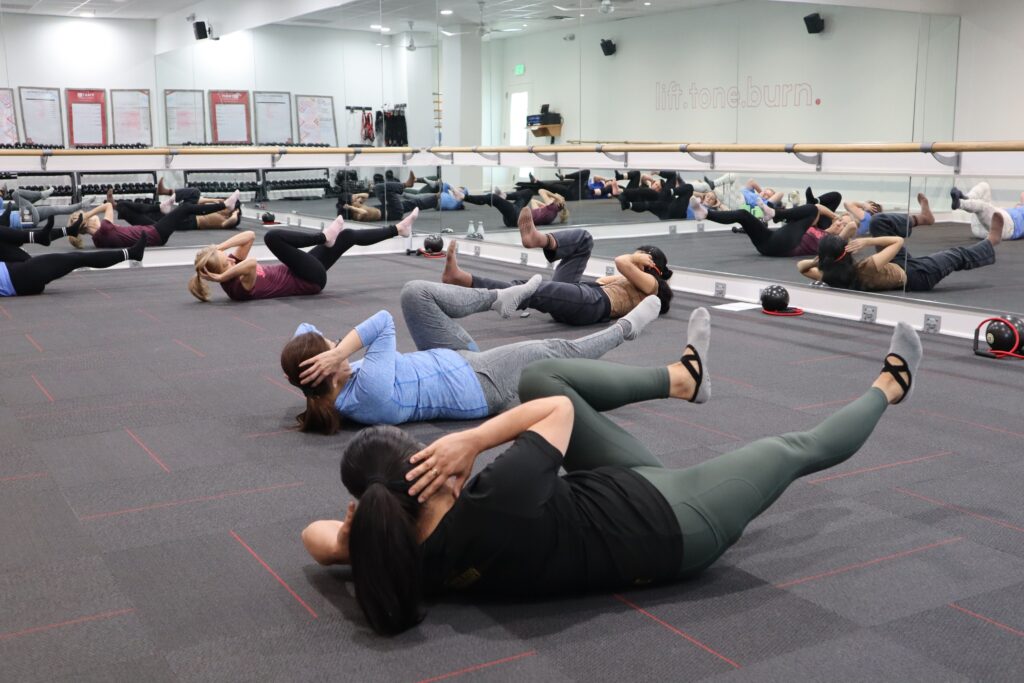
A balanced exercise programme should include different activities that support overall physical fitness. Combining strength training, cardiovascular exercise and flexibility work can help develop a more complete routine.
Strength training may involve resistance machines, free weights or bodyweight exercises. Cardiovascular activities such as walking, cycling and treadmill sessions can support heart and lung health.
Mobility exercises and stretching can also help improve movement and flexibility. However, it is important to allow sufficient recovery between demanding sessions.
A weekly plan should reflect your experience, fitness level and available time. Beginners may benefit from shorter sessions that gradually become more challenging as their confidence and physical capacity improve.
Using Professional Guidance and Gym Support
Professional guidance can make it easier to understand how to exercise correctly and use gym equipment safely. Qualified fitness instructors can demonstrate movements, explain training techniques and help individuals develop suitable exercise programmes.
For beginners, this support can reduce uncertainty and prevent common mistakes. Instructors may also suggest modifications when certain exercises are too difficult or uncomfortable.
Some gyms offer personal training sessions, group fitness classes and introductory equipment demonstrations. These services can provide additional structure and encouragement.
A supportive gym environment should also make it comfortable to ask questions, seek assistance and learn at your own pace.
Staying Motivated Through Consistency
Maintaining motivation is often one of the biggest challenges when developing a workout routine. Busy schedules, tiredness and slow progress can sometimes make it difficult to attend planned sessions.
Creating a regular exercise schedule can help make workouts part of your everyday routine. Choosing convenient training times and preparing gym clothing in advance may reduce common barriers to participation.
Tracking completed sessions can also provide a sense of achievement. Some people find additional motivation through group classes or exercising with a training partner.
Remember that consistency does not require perfection. If you miss a workout, return to your routine when possible rather than abandoning your progress.
Monitoring Progress and Allowing Recovery
Tracking your fitness progress helps you understand how your body responds to exercise. You can record workout frequency, repetitions, resistance levels and improvements in exercise technique.
It is equally important to recognise the value of rest and recovery. Muscles need time to adapt after challenging strength-training sessions, while adequate sleep and balanced nutrition support overall physical wellbeing.
Avoid increasing workout intensity too quickly. If you experience persistent pain, unusual discomfort or excessive fatigue, consider adjusting your routine and seeking professional advice when appropriate.







Leave a comment