






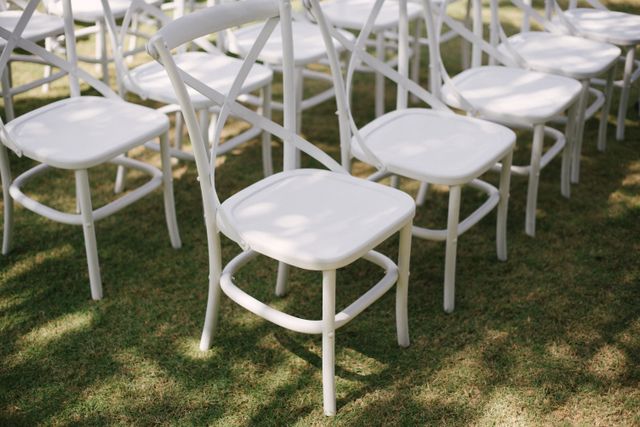
In 2025, on Saturday 25th of October, 2,035 couples tied the knot on the same day in Australia. There were no other days in 2025 that could rival this achievement. In total, there were over 52,000 weddings on Saturdays, with Fridays coming second, just barely reaching 21,000 couples. Those are impressive figures for couples looking to rent wedding furniture for their wedding in NSW.
Shape Of The Wedding Calendar
There were 118,804 marriages registered in 2025 in Australia, which was 1.7% less compared to the previous year. But contrary to the general trend, New South Wales increased the number of marriages by a small amount, to 39,818 compared to 2024. Spring and autumn months remained the busiest ones, while the winter period and the Christmas/Easter holidays remained quiet.
Saturdays dominate the list of most popular dates for wedding furniture hire NSW bookings. From the 50 most popular wedding dates in 2025, 45 fell on a Saturday. Moreover, not one of the remaining five dates in the list was neither Friday nor Saturday.
This leads to pressure, as venues need to switch quickly from one room to another, suppliers have to combine several weddings into one day, and delivery windows become shorter and shorter. If you want to book Friday, Sunday or an off-peak season date, you can enjoy some breathing space. You can even contact venues and suppliers about their availability in advance.
How Peak Dates Affect Logistics?
It becomes obvious that a wedding is a very tight timetable, if it takes place on a busy day. The venue may give you only a very narrow timeframe to arrange things, and one mistake can influence the schedule of all suppliers after you.
Ceremony-to-reception switch explains the problem very clearly. While guests go for pre-dinner drinks, the venue should be reset, and it requires a protected window of time and a team that knows the plan. Even a delay of twenty minutes can cause a lot of guests to wait in the sun.
How to minimise this effect:
- To arrange access times, loading bays and parking in advance with the venue.
- To confirm who will be present at the wedding and make decisions in case of any changes in plans.
- To provide a run sheet with all suppliers, containing setup and pack-down times.
- To book early, as peak dates and popular equipment disappear first.
Seating: The Quiet Choreography
Receptions can drag on for hours; think three hours or more. And it’s not just the length of the evening that matters, it’s also the comfort of the guests. A chair that’s okay at first but becomes a humiliation by the second hour can be enough to suck the energy out of the room.
Different layouts will give you different strengths, depending on what you’re after. Banquet tables are great for conversation within small groups, while a horseshoe layout really focuses all attention on the happy couple. Cocktail parties, on the other hand, are perfect for mingling, as long as there are enough seats for people who need to take a break. And if you mix it up, a lounge area here, a dining table there, you give your guests a bit more choice when it comes to spending their time.
And then there’s the practical stuff. Not everyone is as spry as we used to be, so older guests shouldn’t be stuck in some hard-to-reach corner. And paths to the loo and the bar should always be kept clear. Even if you’re getting married outdoors, you need to think about the sun and the sightlines so everyone can see what’s going on.
Smaller Guest Lists, Sharper Choices
More and more couples are opting for smaller guest lists, and it’s easy to see why. Not only is it a more personal day, but it also means you can splurge on the things that really matter. Usually, venue hire and catering are the two biggest expenses, so when you reduce the guest list it frees up a lot of budget for the finer things in life.
And what guests tend to remember most from a wedding is not the elaborate decorations; it’s the comfort, the food and how smoothly the day flowed. So a smaller wedding really lets you make those finer details shine.
And, if you can, consider having your wedding on a weekday or Friday. Some venues offer different minimum spends on quieter days, so it’s worth asking before you make a final decision.
Weather and Setting: Getting it Right in NSW
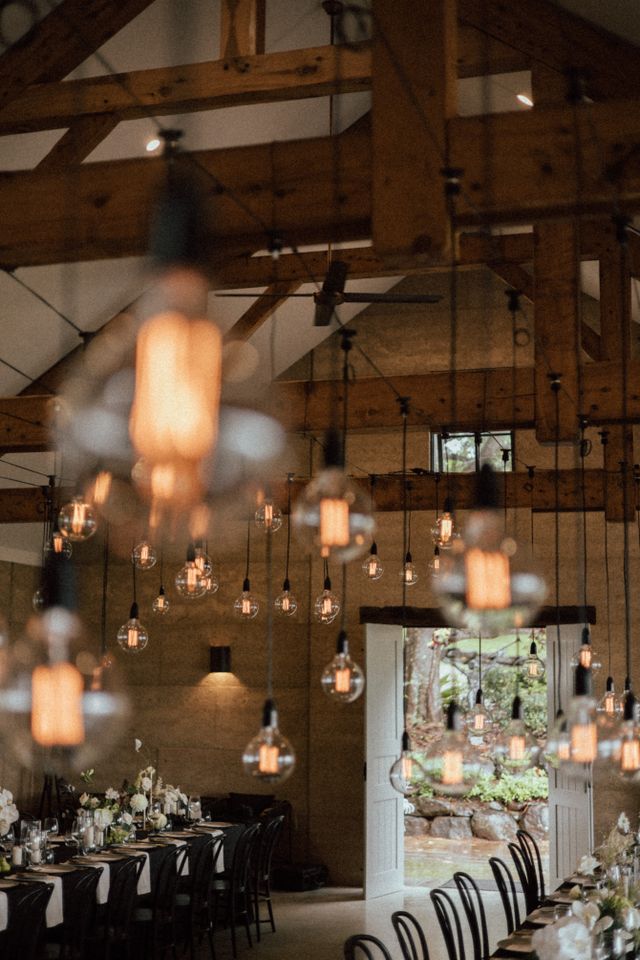
New South Wales has some amazing options when it comes to the venue: beaches, vineyards, gardens and highlands barns, each with its own challenges. Planning a beach wedding means thinking about the wind and the glare, while a vineyard wedding can be lovely in the shade but tricky on uneven ground. And if you’re in the highlands, you need to wrap up warm after sunset.
So, the key is to plan ahead. Get a venue with both indoor and outdoor spaces and you’ll be able to move the party if the weather turns. And that’s one of those things that can turn a disaster into a minor inconvenience.
The venue will set the limits; the space you’ve got to work with will determine what you can do. But with a bit of thought, you can really make the most of what you have, and that’s often the difference between a good day and a great day.







Leave a comment