







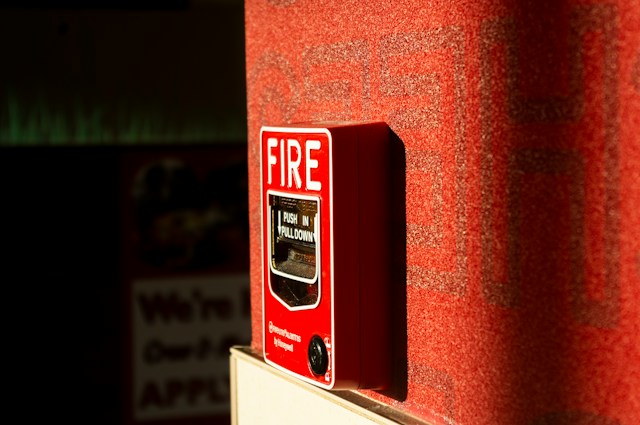
Almost all of us pass under fire alarms daily without thinking about them at all. These little gadgets are always analysing the air around them and detecting any signs of danger or heat. If they work correctly, we never notice them. If they are wrongly selected or badly maintained, they definitely attract attention.
When Detection Goes Beyond a Simple Beep?
Modern fire detection is all about technology; fire detection services focus on selecting the right tech to catch the various signs of fire. It all depends on what typically burns and how a space is used.
- Smoke detectors start sounding the alarm early when they pick up on tiny particles in the air, even in a smouldering fire.
- Heat detectors are triggered by a temperature change that goes over a certain point, or when the temperature starts rising alarmingly fast.
- Flame detectors are tuned into the infrared or ultraviolet light given off by flames.
- Beam detectors work by sending a light beam across a big space and picking up on smoke that blocks its path.
- Aspirating systems suck in air through a network of pipes and test it for the faintest whiff of smoke.
When you have an addressable system, each detector gets its own identity on the network. Rather than a general alarm going off, the fire panel tells you exactly which device is causing the fuss. In a huge warehouse or hospital, that extra detail can save responders a precious few minutes.
The whole system coming together, being integrated, means that one detector can set off the alarm, shut down air, release fire doors and even alert a monitoring centre all at once.
Choosing the Right Detector for the Job
Pick the wrong one and you’ll be making almost as much trouble as having no detector at all, especially if you’re working in a place that’s prone to regular false alarms, like a commercial kitchen filled with steam and cooking fumes.
Big warehouses with high ceilings are a whole different story. The smoke from a fire cools and spreads before it even gets to the top, which can delay a standard detector from picking it up. In cases like that, beam or aspirating systems often do the job better.
Data centres need to be warned of a fire as early as possible because even a tiny fire can do some serious damage.
The Cost of Unwanted Alarms
When the fire service gets a false alarm call, it’s not just a hassle for the business that got the false alarm. It also takes fire crews away from responding to real emergencies; 18,000 times a year in Queensland alone. And if you live in Queensland, getting an unwanted alarm might even cost you money, as the state levies a fine on building owners for certain types of false alarms.
The common culprits behind these unwanted alarms include:
- Cooking fumes or burnt toast getting too close to smoke detectors
- Aerosol sprays, steam from showers and dust from building work disrupting the detectors
- Detectors not getting properly maintained, or ones that are getting on in years
- Detectors getting installed in the wrong spot
By picking the right detector, cleaning them regularly and setting clear rules during building work, you can cut down on a lot of these false alarms.
Testing, Compliance and Who’s Responsible
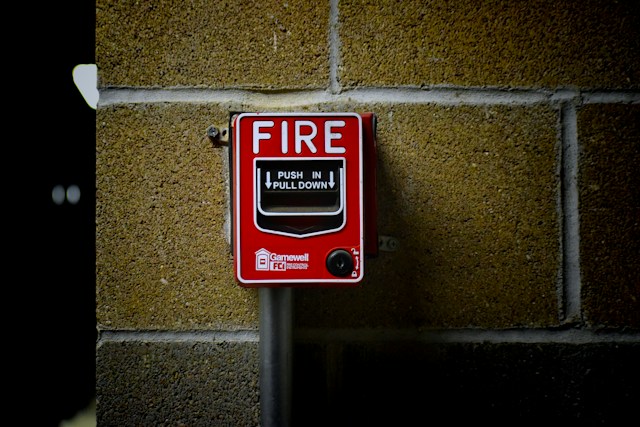
You need to follow the guidelines set out in Australian Standard AS 1670 for designing and installing your detection system, as well as AS 1851 for how often you need to test it. Regular checks on the panel, testing the detectors and an annual system review usually do the trick.
The buck stops with the building owner when it comes to making sure everything is working properly. In Victoria, fire detection is right up there with essential safety measures.
Auditors are on the lookout for certain things:
- Logbooks that keep track of every test and repair
- Detectors getting painted over or removed
- Fire panels showing up faults or isolated sections
- Renovated rooms where detectors no longer fit properly
Your detection system is only as reliable as its weakest link. With regular servicing, you can keep that silent network sharp, so when the alarm finally goes off, people trust it and act on it straight away.







Leave a comment