






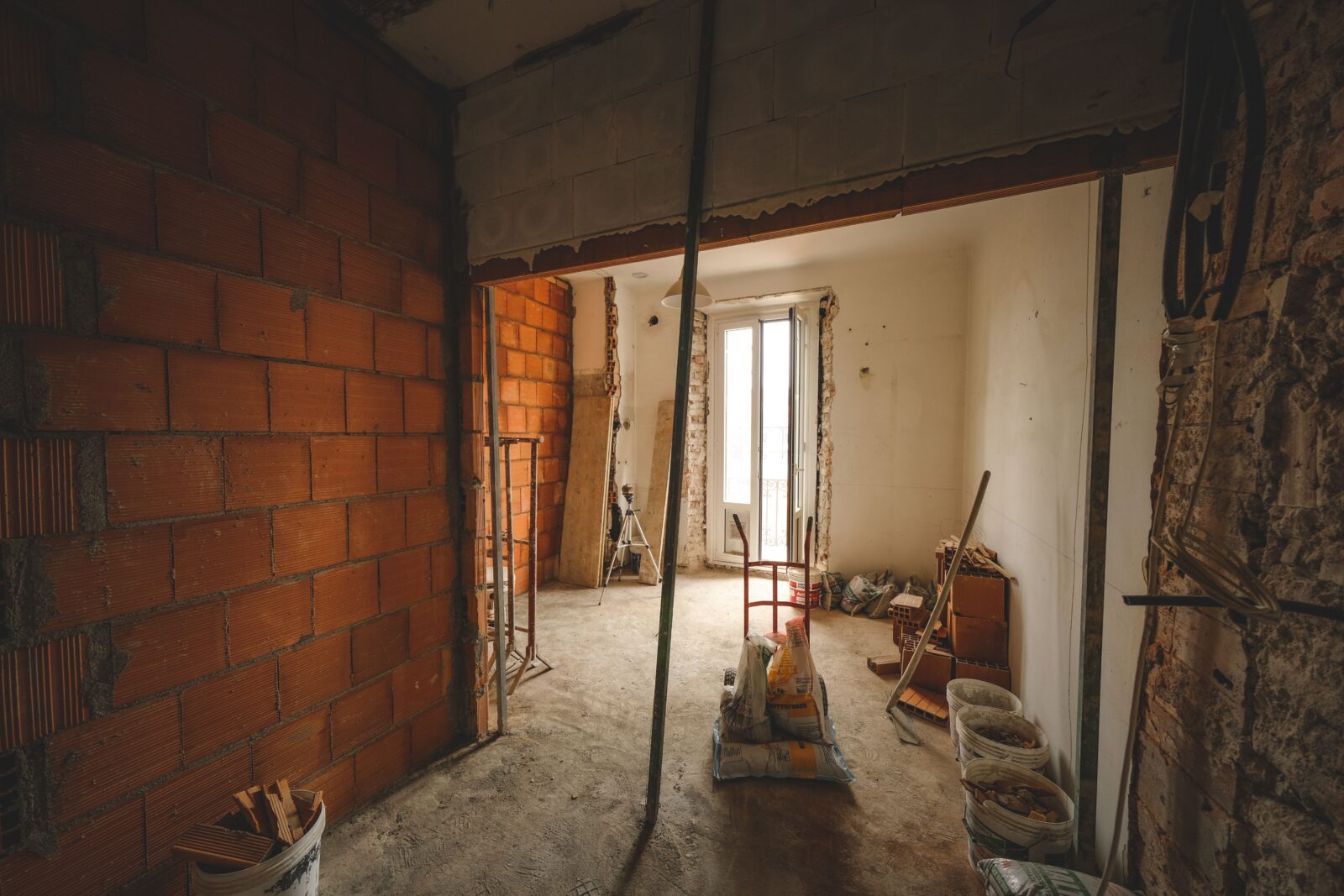
Kitchen demolition is an important part of any kitchen renovation project, as it involves removing existing structures, fixtures and materials to make room for a new design. Whether homeowners are planning a complete kitchen transformation or simply updating cabinets, countertops and flooring, proper demolition is essential for preparing the space. However, removing an existing kitchen requires careful planning, suitable equipment and knowledge of construction materials. Hiring experienced kitchen demolition contractors can help make the process safer, more organised and efficient. Understanding the important factors involved in choosing demolition professionals allows homeowners to protect their property, manage renovation costs and prepare their kitchens for the next stage of improvement.
Understanding the Different Types of Kitchen Demolition Services
Kitchen demolition can involve several different tasks depending on the condition of the existing space and the renovation plans. Some projects require removing cabinets, countertops, backsplashes and appliances, while others involve taking out flooring, drywall, ceilings or selected wall sections. Each task requires an appropriate removal method to prevent unnecessary damage to surrounding structures. Professional contractors offering kitchen demolition all gone understand how different materials are installed and can determine the most suitable approach for removing them. Their experience helps ensure that unwanted fixtures and materials are taken out carefully while preserving areas that will remain part of the renovated kitchen.
The scope of demolition may also depend on whether homeowners are planning minor improvements or a complete kitchen redesign. A simple renovation might only require removing old cabinets and countertops, whereas a larger project could involve changing the kitchen layout, relocating plumbing or modifying electrical connections. Understanding these requirements before demolition begins can help homeowners establish a clear project plan. It is useful to discuss the intended renovation with the contractor so that the removal process supports the overall design. Proper preparation ensures that the kitchen is cleared according to the project’s needs and provides a suitable foundation for new installations.
Preparing the Kitchen Before Starting Demolition Work
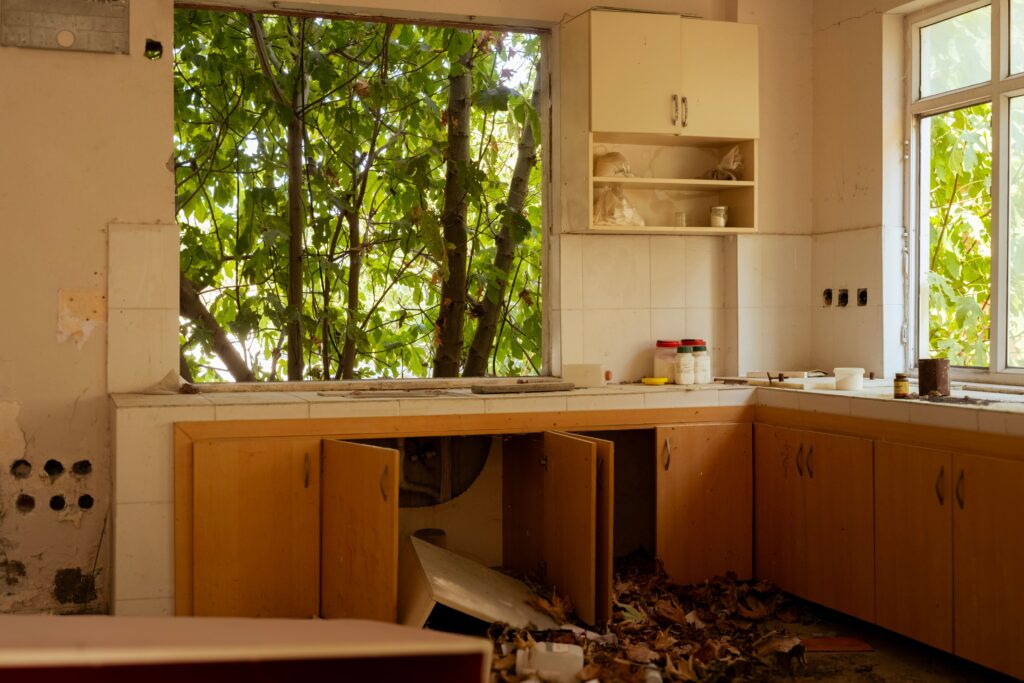
Proper preparation is essential for keeping a kitchen demolition project organised and reducing the possibility of unexpected problems. Before work begins, homeowners should remove personal belongings, dishes, food items, small appliances and other movable objects from the kitchen. Furniture and nearby household areas should also be protected from dust and debris using suitable coverings. Contractors should inspect the work area to identify existing utilities, plumbing connections, electrical wiring and any structural features that may affect the demolition process. Taking these precautions helps establish a safer working environment and allows the demolition team to understand the condition of the kitchen before removing materials.
Planning the demolition sequence is another important part of preparation. Certain tasks need to be completed before others, such as disconnecting appliances and arranging for qualified professionals to isolate electrical and plumbing services. Homeowners should also discuss access to the property, working hours and arrangements for removing construction debris. If the kitchen contains older materials that could present health risks, appropriate inspections and testing may be necessary before removal. A well-prepared work area helps contractors complete their responsibilities more efficiently while reducing disruption to other parts of the home. Careful planning can also make the transition between demolition and renovation more straightforward.
Managing Kitchen Demolition Costs and Material Removal
The cost of kitchen demolition can vary depending on the size of the kitchen, the materials involved and the complexity of the removal work. Removing standard cabinets and countertops may require less labour than dismantling tiled flooring, built-in fixtures or sections of drywall. Additional expenses may also arise when contractors need specialised equipment, extra workers or professional assistance with utility connections. Homeowners should request detailed quotations that explain the work included in the proposed price. Comparing estimates from different contractors can provide a better understanding of available services and help families establish a realistic renovation budget without overlooking important demolition requirements.
Material removal and waste disposal should also be considered when planning the overall project cost. Kitchen demolition can produce different types of debris, including timber cabinets, metal fixtures, tiles, stone countertops, drywall and flooring materials. Some materials may be suitable for recycling or reuse, while others require disposal through appropriate waste management facilities. Homeowners should confirm whether the contractor includes debris collection, transportation and disposal in the quotation. It is also helpful to understand whether additional charges apply when larger quantities of waste need to be removed. Clear arrangements for material handling can prevent confusion, support responsible disposal practices and keep the renovation site organised.
Ensuring Safety and Protecting Existing Kitchen Structures
Safety is one of the most important considerations during kitchen demolition because the removal process can involve heavy materials, sharp objects, dust and potentially hazardous substances. Professional contractors should follow appropriate safety procedures and use suitable protective equipment throughout the project. Before removing cabinets, walls or flooring, they should identify electrical wiring, water pipes and other utility connections that could be affected. Special care is also necessary when working around gas appliances and electrical systems, which should be disconnected by appropriately qualified professionals. These precautions help reduce the risk of accidents and protect both workers and household occupants during demolition.
Protecting the remaining structure of the property is equally important, particularly when the renovation involves removing walls or making changes to the kitchen layout. Some walls may support structural loads, meaning that removing them without proper assessment could affect the stability of the building. Contractors should identify potential structural concerns and arrange for qualified engineers or other specialists when necessary. Nearby flooring, walls, doors and other fixtures should also be protected against accidental damage during material removal. Taking a careful and controlled approach helps ensure that demolition work does not create unnecessary repair costs and leaves the kitchen in a suitable condition for renovation.
Selecting the Right Kitchen Demolition Contractor for Your Project
Choosing a suitable kitchen demolition contractor requires careful consideration of experience, professional standards and the ability to meet the specific requirements of the renovation. Homeowners should review previous projects, customer feedback and references to understand the quality of services offered. It is also important to verify relevant licences, insurance coverage and qualifications according to local requirements. A reliable contractor should provide clear information about the demolition process, expected project duration and services included in the agreement. Open communication makes it easier to discuss concerns, understand possible challenges and establish realistic expectations before work begins.
Homeowners should also evaluate how effectively a contractor coordinates with other professionals involved in the renovation. Kitchen demolition is often followed by plumbing, electrical, flooring, cabinetry and installation work, so proper coordination can help prevent unnecessary delays. Discussing the renovation schedule and identifying important project requirements can make it easier to organise each stage of the improvement process. Before signing an agreement, homeowners should review the written quotation, payment terms, project responsibilities and arrangements for unexpected issues. Selecting professionals who prioritise safety, quality workmanship and transparent communication can help make kitchen demolition more manageable and prepare the space for a successful renovation.








Leave a comment