





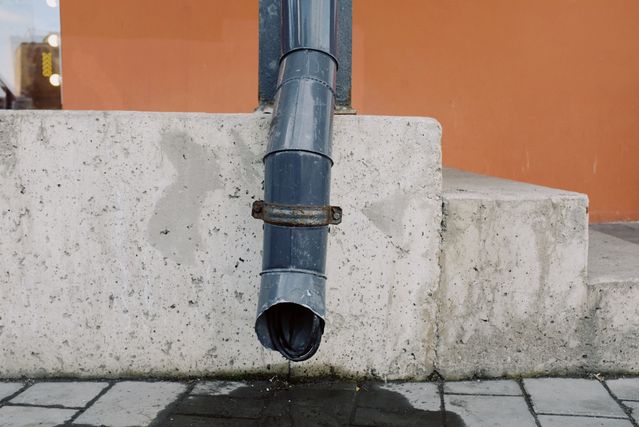
Downpipes are one of those parts of a house that are easy to ignore because, when they’re working properly, they don’t demand much attention. Rain hits the roof, gutters collect it and the water disappears down the side of the building. The whole system seems simple enough until a blockage, crack or poor connection starts sending water somewhere it shouldn’t.
That’s why downpipe replacement can be more important than many homeowners realise. A damaged or undersized downpipe can affect how well the entire roof drainage system performs, especially during heavy rain when large volumes of water need to be moved quickly and safely away from the building.
Downpipes Carry More Water Than They Look Like They Should
A roof can collect a surprising amount of water during a storm. All of that runoff has to move through a relatively small number of downpipes, which means each one is doing more work than its size suggests.
If a downpipe becomes restricted, cracked or partially detached, the problem can show up very quickly. Gutters may overflow, water may spill near walls and the ground around the house can become saturated. The issue may look like a gutter problem at first, when the real bottleneck is further down the system.
This is why it helps to think of the roof drainage system as one connected pathway rather than a collection of separate parts. Gutters, downpipes and stormwater connections all rely on one another to move water efficiently.
Rust and Cracks Are More Than Cosmetic Problems
Older metal downpipes can develop rust over time, especially around joints and lower sections where moisture may linger. Small holes can initially seem harmless, but once water starts escaping, it can repeatedly wet exterior walls, paving or garden beds.
Cracks in PVC or other materials can create similar problems. They may start small and gradually worsen with movement, age or weather exposure. Even when the leak isn’t dramatic, repeated water discharge in the same spot can create dampness that wasn’t there before.
The visible damage often tells only part of the story. If the downpipe has deteriorated enough to leak externally, it may also be worth checking the condition of the rest of the system rather than replacing one tiny section and assuming everything else is fine.
Poor Connections Can Cause Hidden Issues
Not every problem is easy to see.
A downpipe may look perfectly acceptable from the outside while the connection to the underground stormwater system has shifted, cracked or become blocked. Water can then back up or escape below ground level, where the homeowner doesn’t immediately notice it.
Recurring wet patches near the base of a downpipe can be a clue, especially if they appear long after the rain has stopped. The same applies to bubbling, slow drainage or water spilling from joints during heavy storms.
These signs don’t automatically mean the downpipe itself needs replacing, but they do suggest the system deserves a closer look.
Size Matters During Heavy Rain
Older homes were sometimes designed around rainfall assumptions and drainage standards that don’t necessarily reflect current conditions or later changes to the property.
Extensions, larger roof areas and altered gutter layouts can increase the amount of water being directed into existing downpipes. If the original system wasn’t designed for that extra volume, it may struggle during intense rain even when there are no obvious blockages.
In some cases, upgrading the size, number or configuration of downpipes can improve the way water moves from the roof. The right solution depends on the roof area, gutter system, discharge points and local requirements, so it’s not simply a matter of installing the biggest pipe available.
Blockages Often Start With Ordinary Debris
Leaves, twigs and other debris can collect around downpipe entries and gradually restrict flow. If gutter guards aren’t present or maintenance has been neglected, the buildup can become significant.
A partial blockage may go unnoticed during light rain because some water still gets through. During a heavy storm, however, the reduced capacity becomes obvious and gutters begin overflowing.
That overflow can make the whole problem look far more dramatic than the original blockage. Regular gutter cleaning and checking downpipe openings can prevent many of these issues before they get to that stage.
If blockages keep returning in the same location, though, it may point to a design problem or damage further down the line.
The Bottom of the Downpipe Matters Just as Much as the Top
It’s easy to focus on the section attached to the wall, but where the downpipe finishes is equally important.
Water needs a proper path into the stormwater system or another approved drainage point. If the base connection is broken or the downpipe simply discharges too close to the house, the water can end up pooling around the building rather than being carried away.
That defeats the whole purpose of the system.
A replacement should therefore consider the full route, not just the visible vertical section. The pipe needs to connect effectively from the gutter outlet all the way to wherever the water is supposed to go.
Appearance Can Matter Too
Downpipes are functional, but they’re also visible.
Old, dented or heavily faded pipes can make an otherwise well-maintained exterior look tired. Replacement creates an opportunity to choose a colour or profile that suits the roof, gutters and walls more consistently.
This is especially noticeable after repainting or exterior renovations. New finishes can highlight older drainage components that previously blended into the background.
The practical performance should always come first, but there’s no reason the new system can’t look better at the same time.
Timing Replacement Can Prevent Bigger Repairs
Homeowners often wait until a downpipe has completely failed before doing anything about it.
By that point, repeated overflow or leaking may already have affected surrounding surfaces. Replacing a deteriorating section earlier can be much simpler than dealing with the secondary problems caused by uncontrolled water.
The warning signs are usually fairly ordinary: visible rust, splits, loose joints, repeated overflow, staining on nearby walls or persistent wet areas around the base. None of these automatically means the whole system needs to be replaced, but they’re worth investigating rather than ignoring.

A Small Pipe Plays a Big Role
Downpipes aren’t the most exciting part of a home, and that’s probably why they receive so little attention. But during heavy rain, they become one of the most important links in the drainage chain.
A functioning downpipe keeps roof water moving in the right direction, reduces unnecessary overflow and helps prevent large volumes of runoff from ending up beside the building. When it starts to fail, the effects can spread well beyond the pipe itself.
Paying attention to those early signs is usually much easier than waiting for the next major storm to demonstrate exactly how important that unassuming length of pipe really is.







Leave a comment