






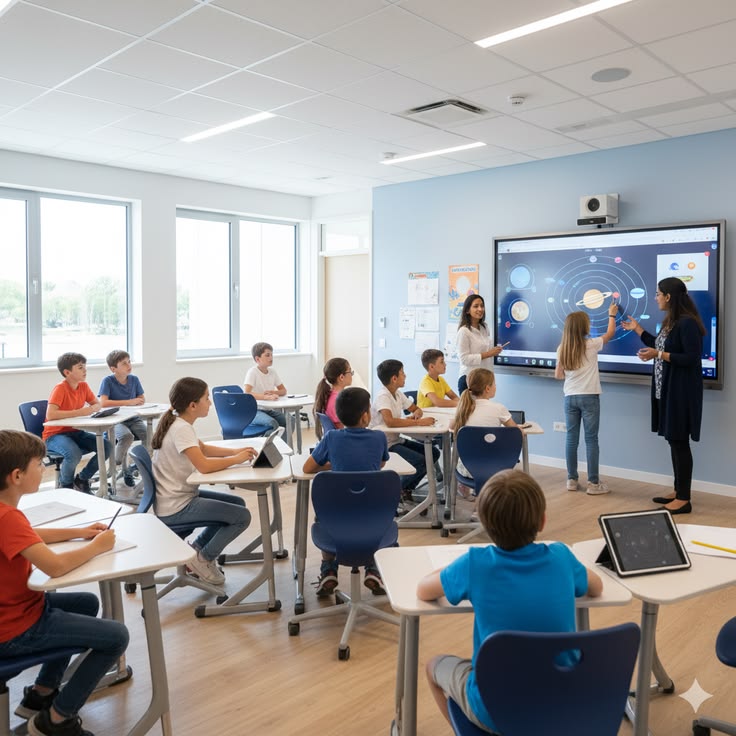
Creating a productive learning environment goes beyond textbooks and technology. The furniture we choose plays a crucial role in shaping how students engage, collaborate, and absorb information. Imagine bright classrooms where ergonomic chairs support long hours of study, versatile desks adapt to group work, and clever storage solutions keep distractions at bay. With the right approach to classroom design, we can foster creativity and focus among learners of all ages.
Whether you’re an educator looking to revamp your space or an administrator planning a new building project, smart furniture ideas can make all the difference. Let’s delve into innovative approaches that transform traditional learning spaces into dynamic environments where students thrive.
The Importance of Ergonomic and Functional Furniture in Learning Spaces
classroom furniture is essential for creating effective learning spaces. When students are comfortable, they can focus better on tasks at hand. Chairs that support good posture help reduce fatigue during long study hours.
Functional desks allow for easy transitions between different activities. Adjustable heights ensure that furniture accommodates various body types. This adaptability encourages movement, which has been shown to enhance concentration.
Moreover, well-designed furniture promotes collaboration among students. Group work becomes easier with tables that can be rearranged quickly to suit different needs.
Investing in ergonomic pieces means prioritizing the health and productivity of learners. It’s not just about aesthetics; it’s about fostering an environment where every student feels empowered to excel and engage fully with their education.
Creative Storage Solutions for Clutter-Free Classrooms
A clutter-free classroom is essential for fostering focus and creativity. Creative storage solutions can transform any learning space into an organized haven.
Consider multifunctional furniture that incorporates hidden storage. Desks with built-in drawers or benches that open up can hold supplies without taking up extra space.
Wall-mounted shelving is a game-changer too. It draws the eye upward, freeing valuable floor area while displaying books and materials neatly.
Using clear bins or colorful baskets helps students find what they need quickly. Labeling these containers can empower young learners to take responsibility for their environment.
Don’t overlook the power of vertical spaces. Hooks for backpacks and coats keep items off the floor, maintaining a tidy atmosphere conducive to learning.
Think outside traditional filing cabinets as well; rolling carts offer mobility and versatility, making it easy to rearrange when group activities arise.
Flexible Seating Options for Dynamic Learning Activities
Flexible seating transforms traditional classrooms into vibrant learning hubs. With options like bean bags, wobble stools, and standing desks, students can choose what works best for them.
These adaptable arrangements encourage movement. When kids shift positions or work in groups, they stay engaged and focused. A relaxed environment fosters creativity and collaboration.
Teachers have found that flexible seating promotes a sense of ownership among students. They feel empowered to select their space, leading to increased motivation.
Additionally, such setups cater to diverse learning styles. Some benefit from active sitting options while others might prefer a quiet corner with soft cushions. This variety supports individualized learning experiences.
Implementing these choices is not just about comfort; it’s about enhancing productivity and making the classroom an inviting place for exploration and growth.
Incorporating Technology into Classroom Furniture Design
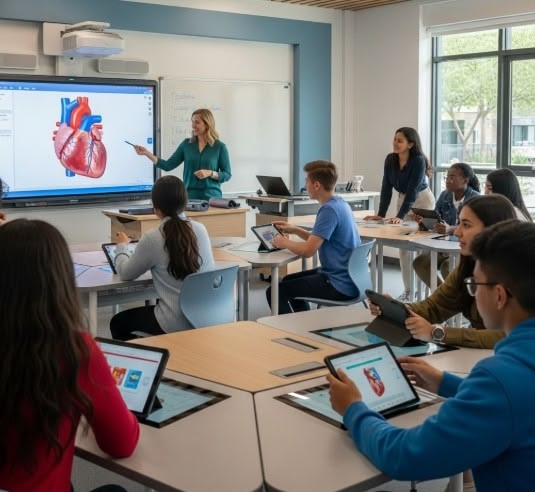
Modern classrooms are evolving, and so should their furniture. Technology integration is key to creating a more dynamic learning environment. Imagine desks equipped with built-in charging ports for devices. This small addition can significantly enhance productivity.
Another innovative idea involves incorporating interactive screens into tables or walls. These surfaces can be used for group projects, brainstorming sessions, or presentations. They encourage collaboration among students while making lessons more engaging.
Adjustable furniture that accommodates both traditional teaching methods and technology-driven activities is also essential. Desks that can easily transition from standing to sitting cater to diverse learning preferences and promote movement throughout the day.
Furthermore, smart storage solutions integrated with tech features help keep digital tools organized and accessible. When classroom furniture meets modern technology, it creates an atmosphere where creativity thrives and learning becomes intuitive rather than monotonous.
Cost-Effective Ways to Update and Revamp Your Learning Environment
Updating and revamping your learning environment doesn’t have to drain your budget. There are plenty of cost-effective strategies that can refresh a space while enhancing its functionality.
Start with a fresh coat of paint. A new color can transform an entire room, making it feel more inviting and stimulating. Choose colors that promote focus and creativity, such as light blues or greens.
Next, consider DIY projects. Simple furniture upgrades like adding cushions or reupholstering chairs can make old items feel brand new. This not only saves money but also adds a personal touch to the classroom.
Another effective strategy is to repurpose existing furniture. Instead of buying entirely new pieces, think about how current furnishings might be rearranged or combined in innovative ways. Shelves could become dividers; tables could double as collaborative workstations.
Incorporating plants into the space offers both aesthetic appeal and health benefits. They improve air quality and create a calming atmosphere conducive to learning without requiring heavy financial investment.
Don’t overlook community resources either! Local businesses often donate surplus supplies or offer discounts for schools looking to spruce up their environments. Networking within your community can lead you to unexpected treasures at minimal costs.
Embrace digital solutions whenever possible. Many free online platforms provide interactive tools for students, reducing the need for physical materials cluttering up the space while fostering engagement in lessons.
Revamping your learning environment on a budget is achievable with some creativity, resourcefulness, and planning.










Leave a comment