






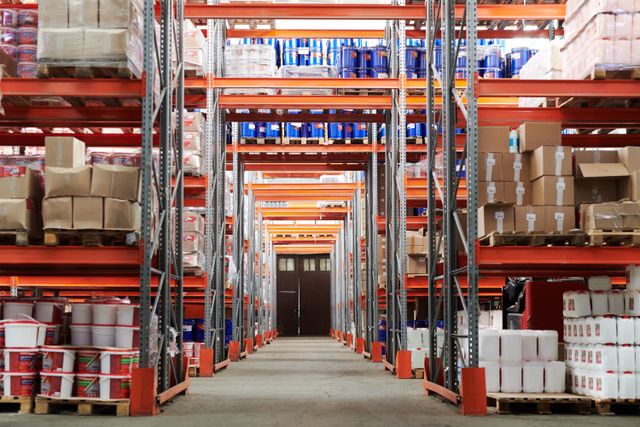
Approximately 440 million tonnes of cargo flow through Victoria per year, according to the Victorian Government’s figures from April 2026. According to the above-mentioned report, the industry is valued at over $36 billion annually, employing about 240,000 people. Most cargo flows through, however; not all of it stands stationary, and standing still makes decisions regarding storage costs a great deal of money. The main question for expanding business remains quite obvious; where should the stock be stored once there is no room left in the back?
When Stock Arrives Faster Than Space Can Accommodate?
Cargo imports do not usually come evenly throughout the year. A full container can land in the same week as an order for promotion, and a small warehouse will be filled up within a couple of hours. Leasing a larger warehouse is a solution to the problem, but this means committing to extra space that will not be needed anymore once the surge ends. Moving the premises takes some time regardless of the availability of a suitable location, construction and racking installation. Offsite pallet storage Melbourne provides a new option to add capacity without moving the premises.
Charging By Pallet Alters The Equation Of The Cost
Monthly lease fees stay the same regardless of how crowded the racking system will be in November and how many units will remain empty in February. A per-pallet pricing scheme operates on a completely different principle, as the fee goes up and down based on actual stock storage. Importers waiting for retail distribution services will become aware of this option first of all, especially when several containers land at once. Manufacturers of finished goods and seasonal businesses preparing for the Christmas rush period have a similar experience.
In-house warehouse space costs additional money in the form of forklift lease, racking maintenance and labour among other expenses. Leasing may work well for regular and consistent volumes that fill up the whole warehouse throughout the year. Irregular volume is a completely different case.
Let The Life Cycle Of The Stock Determine The Storage Term
Shorter periods are generally suitable for container arrivals, marketing promotions, pre-Christmas buildup and clearance at year-end. Longer periods suit slow-moving product ranges, spares and bulk materials, which remain undisturbed for months on end. Some upfront inquiries may help clarify the exact costs before the agreement is made:
- Does the deal have minimum terms, and how much advance notice is needed for stock removal?
- How are partial and oversized pallets priced against the quoted weekly rate?
- What additional cost is associated with handling-in and handling-out per pallet?
- Is the stock allowed to be delivered in small quantities, or just full pallets?
The speed of stock turnover should be a deciding factor; high-turnover stock involves mostly handling costs, low-turnover stock mostly rental.
Safe Racking Will Protect Your Stock As Well As Your People
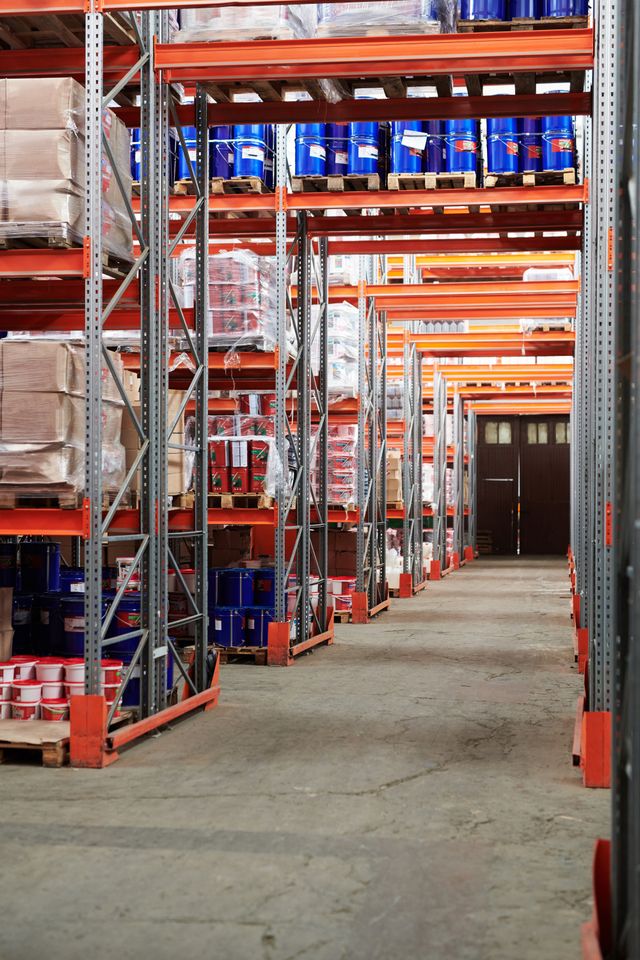
According to WorkSafe Victoria, the installation and maintenance of pallet racks should be done in compliance with AS 4084.2:2023 and the manufacturer’s recommendations. Each racking bay must have the safe working load clearly displayed, and SafeWork NSW notes that deflection or bending of the beams is an indication of overload. Overhanging cartons in the upper tiers are a major risk factor; WorkSafe Victoria issued a safety alert following a death caused by such an accident. Frequent racking checks and forklift traffic plans allow quickly distinguishing between safety-conscious and careless operators. An inquiry into the records of the latest racking checks will provide more information about the facility than all brochures together.
Details That Storage Quotes Rarely Mention
The Australian standard pallet size is 1165 x 1165 millimetres, although import pallets of a smaller size are common. Non-standard pallets may require extra restacking work, and confirming which pallet types can be accepted helps to avoid labour charges. Pooled hire pallets might incur additional hire fees while stock remains in the facility, according to the arrangement made with the pallet owner. Additional costs may include wrapping, labelling and inbound booking requirements.







Leave a comment