






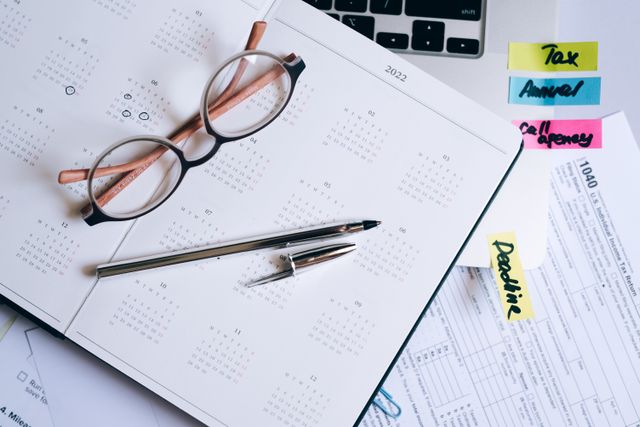
Tax time has a way of sneaking up on small business owners, even when the date has been sitting on the calendar all year. One week you’re busy quoting jobs, managing staff, ordering stock, chasing invoices, and keeping customers happy, then suddenly you’re sorting through receipts, bank statements, software reports, and half-remembered expenses from months ago.
That’s why having a small business tax return checklist can make the whole process feel a lot less chaotic. It gives you a clear starting point, helps you gather what your accountant actually needs, and reduces the chance of missing important details simply because everything is scattered across different folders, apps, inboxes, and shoeboxes.
Start before the deadline starts breathing down your neck
The worst time to get organised is when you’re already under pressure. If you only start pulling information together at the last minute, every missing receipt or unexplained transaction becomes more stressful than it needs to be. Giving yourself more time means you can check things properly, ask questions, and avoid turning tax preparation into a late-night panic session.
It helps to begin with the basics: income records, expense receipts, bank statements, loan details, payroll information, superannuation payments, asset purchases, vehicle costs, home office expenses, and anything else that might affect your return. Even if your accountant handles the technical side, they still need accurate information from you to do the job properly.
Keep business and personal spending separate
This sounds obvious, but it’s one of the most common reasons small business records become messy. When business and personal expenses are mixed together, it takes longer to work out what can be claimed, what needs to be ignored, and what requires more explanation.
A separate business bank account, a dedicated business credit card, and accounting software that is kept reasonably up to date can save a lot of time. They also make it easier to see how the business is actually performing, rather than relying on gut feel or whatever happens to be in the account at the end of the month.
Don’t forget the expenses that are easy to overlook
Small business owners often remember the obvious costs, such as rent, wages, stock, insurance, subscriptions, and equipment, but smaller recurring expenses can easily slip through. Software tools, phone costs, internet, training, professional memberships, stationery, advertising, payment processing fees, and work-related travel may all be relevant depending on the business.
The point isn’t to claim everything aggressively; it’s to make sure legitimate business expenses are recorded properly. If you’re unsure whether something counts, note it down and ask your accountant rather than leaving it out completely.
Tax time is also a chance to review the business
Although tax returns are mostly about reporting what has already happened, the process can also reveal useful patterns. You might notice expenses creeping up, margins tightening, seasonal cash flow issues, or parts of the business that are more profitable than you realised.
Used well, tax time can become more than an annual compliance task. It can give you a clearer picture of where the business stands and what needs attention before the next financial year gets too far underway.

A smoother return starts with better habits
You don’t need perfect records every day to make tax time easier, but you do need a system that keeps the essentials under control. Regular bookkeeping, clear categories, saved receipts, and timely conversations with your accountant can make a huge difference.
Small business tax doesn’t have to feel like a scramble. With the right checklist and a bit of preparation, it becomes a manageable process rather than a yearly source of stress.










Leave a comment