





Australia’s housing stock is pretty old by today’s energy efficiency standards. More than 70% of homes here were built before 2003, a time when our national energy-efficiency standards were still in their infancy. As a result lots of older houses are still leaking heat in winter and struggling to stay cool in summer. A common way that people try to sort this out is to install ducted heating and cooling systems but it’s a lot trickier than installing in a new home. You’ve got to contend with a whole bunch of factors like structural limitations, dodgy insulation, energy performance worries and installation costs. These all influence how well the job turns out. Understanding these factors is basically crucial in deciding whether to give it a go.
Why Older Homes are a Real Headache?
Older homes in Australia were very rarely built with big duct systems in mind. Houses built before the 90s often have pretty limited roof space, dodgy floor plans and out-of-date building materials that just make the whole thing a nightmare for installers. It transpires that a lot of homes built before 2003 are nowhere near as energy efficient as they should be. Often a lot further behind than modern homes. This makes heating and cooling systems work a lot harder to keep the place at a stable temperature, which is a major problem for anyone trying to install a new system. This is because system efficiency is not just about the quality of the gear. It’s also all about the condition of the building envelope itself.
In cities where there are heaps of old homes still standing like Melbourne suburbs like Port Melbourne, which has a lot of old houses that are ripe for renovation installers often have to contend with structural constraints that only add to the complexity of the job. When you get installed in ducted heating and cooling Port Melbourne you almost always have to do some extra work. Like pulling the ceiling down, routing ducting around weirdly shaped rooms or installing new electrical infrastructure. All this extra prep work can make the whole thing a lot more expensive and take up more time than anyone wants to spend.
Why You Can’t Just Slap in Some Insulation and Call it a Day?
One thing that really jumps out from the energy studies done here in Australia is that heating and cooling make up up to 50% of energy consumption it’s no wonder people are so worried about their bills. When you install a high-capacity ducted system into a home that has no insulation to speak of, most of that conditioned air is just going to leak out the roof, walls and gaps in the windows and floor. The only way you can make this work is to do some serious work on the insulation first.
Practically speaking, it makes heaps of sense to upgrade insulation before you even think about installing a new ducted heating and cooling system. Improving the thermal performance of a home can really pay off in the long run. It’s often more cost-effective to do it this way around. Not only will your bills be lower, but you can also get away with installing a smaller system, which will save you money upfront on equipment costs and long-term on power bills. This highlights just why it’s so important to get an energy assessment done before you start ripping out walls and installing new gear.
How Much to Expect to Pay?
When you get ducted heating and cooling installed in an old home in Australia, it’s almost always going to be more expensive than installing it in a brand new home. The main reason for this is the sheer amount of extra labour that goes into accessing confined spaces, relocating services, repairing ceilings and making do with non-standard layouts. While the actual cost of the equipment is only part of the story, you can expect to pay out a fair bit more than you would in a new build. Property size and complexity will have a big impact on how much the job will set you back.
Energy Efficiency Outcomes Are Not a Given
Lots of people assume that a new ducted system will magically make their home more energy efficient but that just isn’t the way it works. In Australia, researchers have been studying housing and found that how well a system performs really depends on how the house was built, how people live in it, and how well the system was sized to start with. If it’s too big, the system will be switching on and off all the time. This cuts efficiency and wears out the components a lot faster.
The Reality of Retrofitting Structural Modifications and Installation Disruption
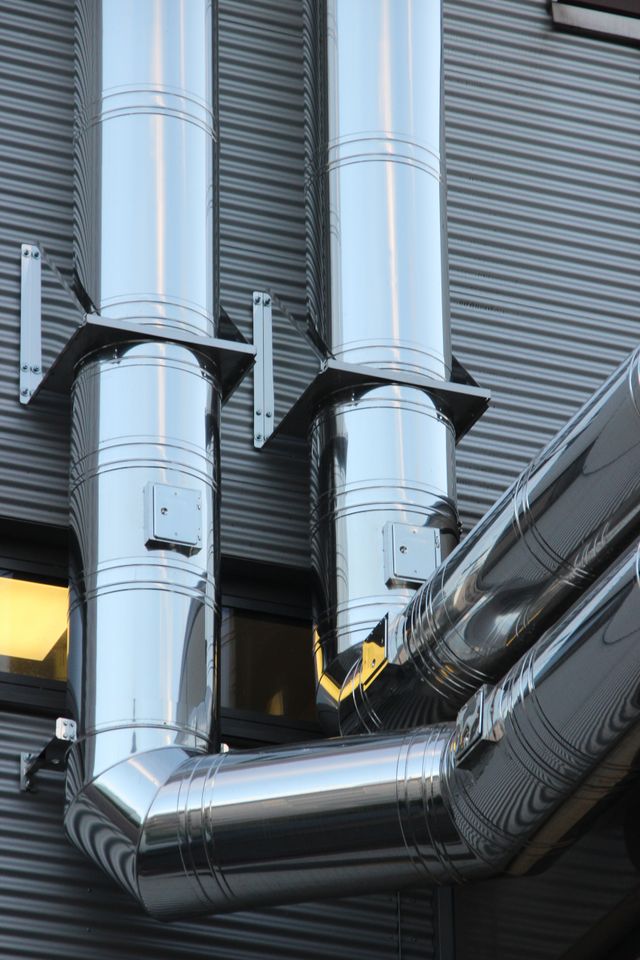
Retrofitting your home usually involves a bit more hassle than people expect. To get the new system in place you need to take out ceiling panels, put in ducts, install return air vents and sort out all the electrical cabling that’s all going to require some physical changes to the building. If you’ve got a fancy ceiling, or a house with special heritage features, or even just asbestos in the walls, then it can get a lot more complicated.







Leave a comment