






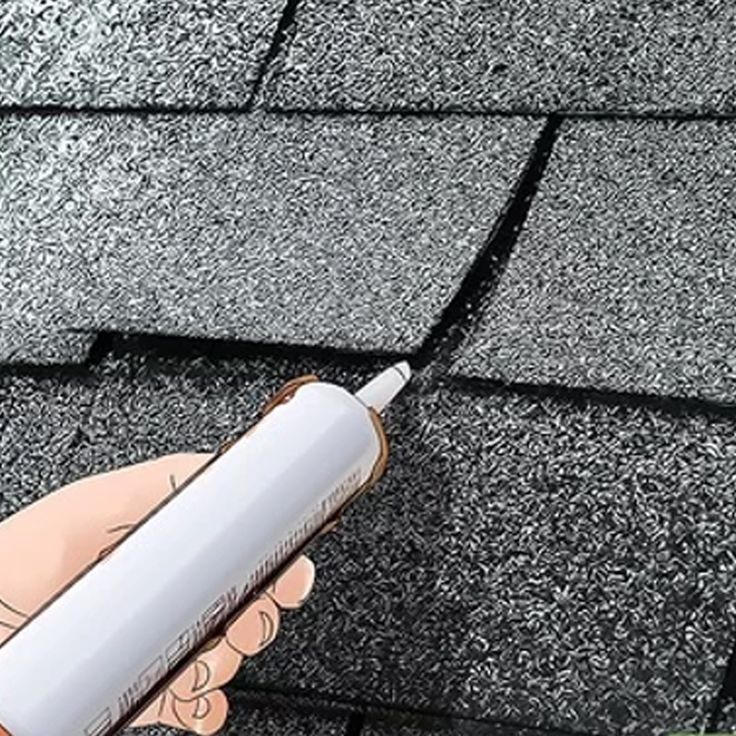
There’s nothing quite like the comfort of a sturdy roof over your head. But what happens when that roof starts to let in unwanted guests—like water? Roof leaks can be both frustrating and damaging, leading to costly repairs if not addressed promptly. Whether it’s a minor drip or a steady stream, understanding how to tackle these issues is essential for every homeowner. This guide will take you through the process of identifying leaks, performing repairs, and ensuring your roof remains watertight for years to come. Let’s dive into the world of roof leak repairs and arm you with the knowledge needed to protect your home!
Identifying the Source of the Leak
guide to repairing a leaking tile roof, the first step is pinpointing its source. Water can travel along beams and rafters, often making it tricky to identify where it actually enters.
Start by checking your attic or crawl space during dry weather. Look for signs of moisture on wood surfaces or insulation. Puddles or damp spots can indicate trouble upstream.
Next, inspect your roof from the outside. Damaged shingles, cracked flashing, or missing tiles are common culprits. Be cautious when climbing up; safety is paramount.
If you notice any debris like leaves or branches in gutters and valleys, clear them out. Blocked drainage systems can cause water to back up and seep into your home.
Sometimes leaks appear away from their source due to structural issues like improper installation or age-related wear on roofing materials. A keen eye will help detect these problems before they escalate.
Tools and Materials Needed for Repairing a Roof Leak
Repairing a roof leak requires the right tools and materials to get the job done effectively. Start with safety gear, including gloves, goggles, and a sturdy ladder. Safety should always come first.
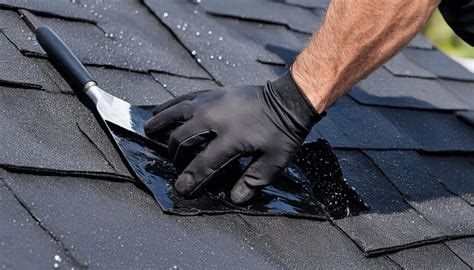
You’ll need roofing cement or sealant for patching holes and cracks. This material is crucial for ensuring a watertight seal.
A putty knife helps apply roofing cement smoothly over damaged areas. Make sure you have some roofing nails on hand; they’re essential for securing loose shingles during repairs.
For larger leaks or extensive damage, consider using flashing materials. These can redirect water away from vulnerable spots.
Don’t forget about tarps! They can provide temporary protection while you assess the situation further.
Keep a utility knife handy to cut through old shingles or other debris as needed during your repair process. Each item plays an important role in maintaining your roof’s integrity against leaks.
Preventative Measures for Future Roof Leaks
Maintaining your roof is crucial for preventing leaks. Regular inspections can catch issues before they escalate. Aim for at least two checks per year, ideally in spring and fall.
Keep gutters clean and free of debris. Clogged gutters lead to water pooling, which increases the risk of damage.
Trim overhanging branches to prevent them from scraping or puncturing your roof during storms. This simple step can save you from significant headaches down the line.
Consider applying a waterproof sealant to vulnerable areas after repairs. It adds an extra layer of protection against moisture intrusion.
Ensure proper ventilation in your attic space. Adequate airflow helps regulate temperature and moisture levels, reducing the chance of condensation-related leaks forming inside your home’s structure.
When to Call a Professional for Roof Leak Repairs
Sometimes, DIY repairs just aren’t enough. If you’ve tried fixing the leak but it still persists, it may be time to call in a professional. A roofing expert has the experience and tools necessary to handle complex issues that might not be visible from your vantage point.
Additionally, if you’re dealing with significant water damage or mold growth inside your home, don’t hesitate to reach out for help. These problems can escalate quickly and pose serious health risks as well as structural concerns.
Safety is another important factor. Climbing onto a roof can be dangerous without proper training and equipment. If you feel uncomfortable at any point during your repair attempts, it’s wise to seek assistance from someone who knows how to manage these situations safely.
Don’t forget about warranties either! Many roof materials come with guarantees against leaks when installed by professionals. Hiring an expert could ensure those warranties remain valid.
Assessing whether to tackle a roof leak yourself or hire a pro depends on various factors such as severity of the damage, safety considerations, and your own comfort level with roofing work. Making informed decisions will lead you towards long-term solutions for maintaining your home’s integrity.










Leave a comment