






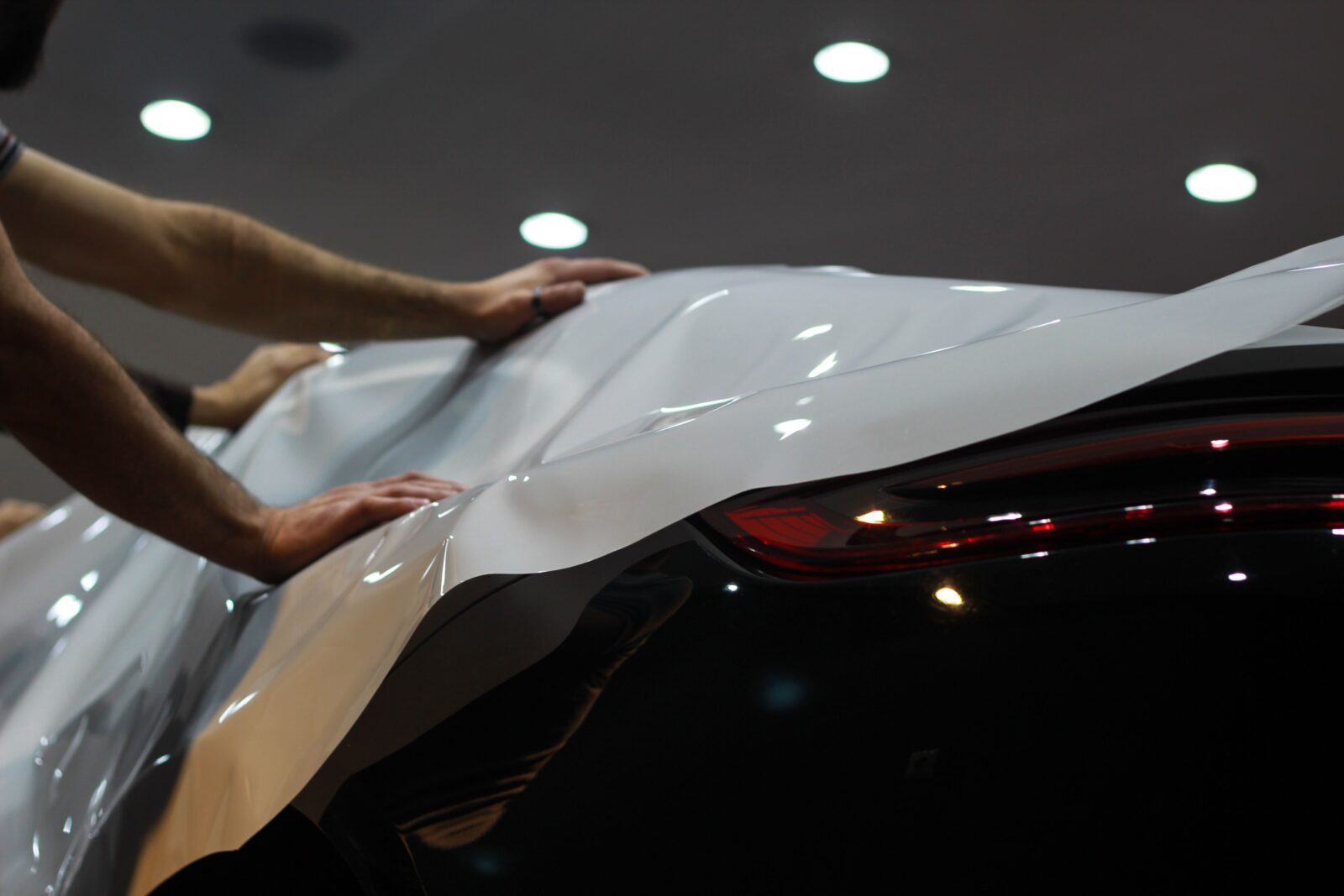
Vehicle wrapping has taken the automotive world by storm, transforming ordinary cars into eye-catching masterpieces. Whether you want to protect your investment or make a bold statement on the road, there’s an option tailored for every driver. Among these choices are Paint Protection Film (PPF) and traditional car wraps, both of which serve unique purposes while enhancing your vehicle’s appeal. But how do these two options differ? Are they interchangeable in their benefits? Let’s explore what sets them apart and help you determine which one is right for your ride.
PPF (Paint Protection Film) – What is it?
Paint Protection Film (PPF) is a transparent layer of ppf wrap designed to shield your vehicle’s paint. This film acts like an invisible armor, offering protection against various elements.
Made from durable thermoplastic urethane, PPF is resistant to scratches and UV rays. It keeps that fresh-out-of-the-showroom shine for years. Many car enthusiasts appreciate its self-healing properties; minor scratches can often disappear with heat.
Installing PPF typically involves a precise application process where sheets are carefully placed over vulnerable areas of the vehicle, such as hoods and bumpers. The end result feels smooth and looks seamless.
Unlike traditional wraps that change the car’s appearance, PPF maintains the original color while enhancing durability. It’s ideal for those seeking protection without compromising aesthetics.
Traditional Car Wraps – How are they done?
Traditional car wraps start with a clean surface. This is crucial for proper adhesion. Any dirt or debris can lead to peeling and bubbles.
Next, the design process kicks off. Graphic designers create custom visuals tailored to your preferences. The wrap material comes in large sheets, often made from vinyl.
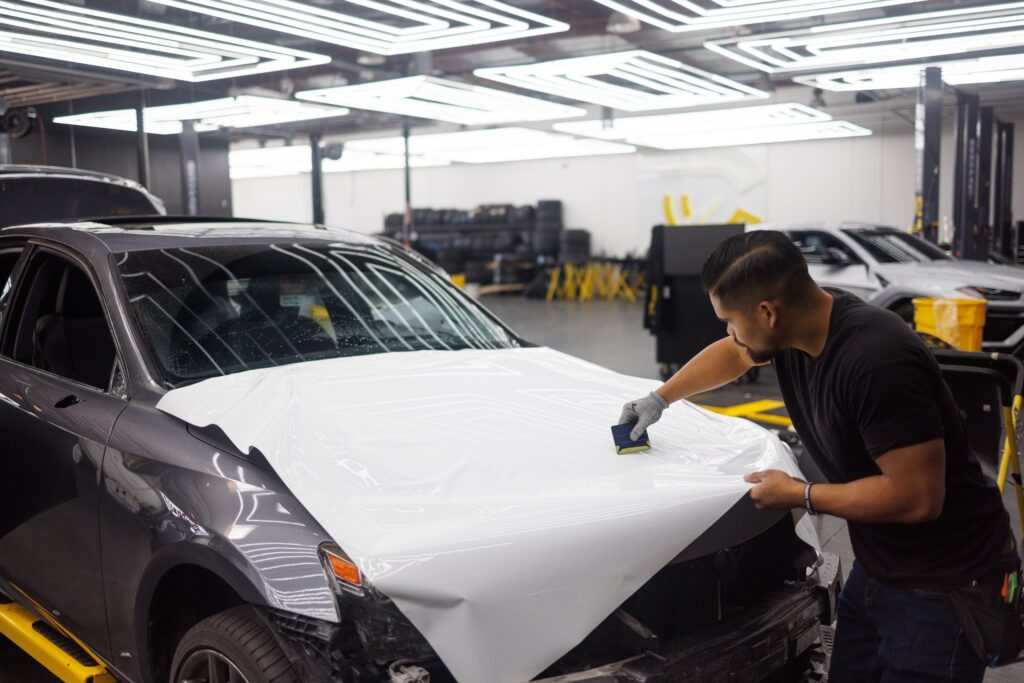
Once the design is approved, it’s time for application. Professionals carefully measure and cut the vinyl to fit each panel of the vehicle. They heat the material slightly before applying it, ensuring it adheres well to curves and contours.
Using tools like squeegees, they smooth out any air pockets during installation. Patience is key here; taking time ensures a flawless finish without imperfections.
After application, protective films may be added for extra durability against scratches and fading. Traditional wraps offer endless possibilities in terms of color and graphics while enhancing your vehicle’s appearance.
Effectiveness in Protecting Your Vehicle’s Paint
When it comes to safeguarding your vehicle’s paint, the choice between PPF and traditional wraps is crucial. Paint Protection Film (PPF) excels in offering a robust barrier against scratches, chips, and environmental hazards. Its self-healing properties allow minor abrasions to disappear over time.
On the other hand, traditional car wraps primarily serve an aesthetic purpose. While they can guard against some wear and tear, they fall short when facing harsher elements. Sun exposure can fade colors quicker than you might expect.
PPF adheres tightly to your car’s surface, creating a seamless shield that maintains its original shine. Traditional wraps may lift or peel under extreme conditions, compromising their protective capabilities.
Choosing PPF means prioritizing longevity for your vehicle’s finish while still enjoying visual appeal through its clear design. It truly stands out as a premier option for those looking to keep their paint pristine over time.
Aesthetics and Customization Options
When it comes to aesthetics, both PPF and traditional car wraps offer unique benefits. Paint Protection Film is transparent, allowing your vehicle’s original color and shine to show through while providing a protective barrier against scratches, chips, and stains. This makes it an excellent choice for those who want to maintain their car’s factory look.
On the other hand, traditional car wraps are all about customization. They come in a myriad of colors, finishes, and designs—think matte black or vibrant graphics that can turn heads on the street. If you’re looking to make a bold statement or promote your business with eye-catching advertising wrapped around your vehicle, traditional wraps are the way to go.
Another factor is how easily you can change the look of your ride. Car wraps can be removed without damaging the underlying paint if you decide it’s time for something new. With PPF, while it serves its purpose well as protection over time, reshaping that aesthetic isn’t really in its wheelhouse.
Ultimately choosing between PPF and traditional wraps depends on what matters most to you: protection or personalization? Each option brings something different to the table—a reflection of individual style versus safeguarding investment in your vehicle’s appearance. The decision may influence how others perceive not just your vehicle but also your taste as an owner; this blend of practicality and personality truly defines today’s automotive trends.







Leave a comment