






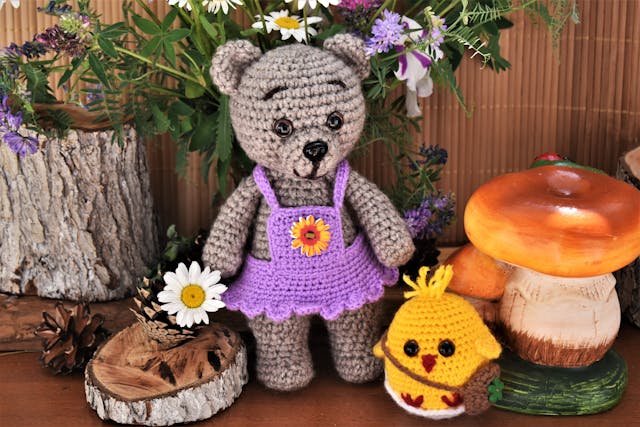
Walk into almost any toy aisle and the pattern’s hard to miss. Bright plastic, loud packaging, one-button novelty, and a shelf life that feels shorter than the car ride home. A lot of children’s products now seem built for a burst of attention, then a slow drift towards the bottom of the toy box. That’s probably why places like Geppetto’s Workshop still strike a chord. Handmade toys carry a different energy. They feel slower, sturdier, and far less interested in flashing for approval.
That difference matters because children notice quality in ways adults sometimes underestimate. Not in a technical sense. More in the way they return to certain objects over and over. The toy that feels good in the hand. The one that survives being dragged from room to room. The one that leaves enough space for a child to make the game up themselves. Handmade toys tend to live in that category more often than mass-produced novelty does.
Some toys are designed to entertain; others are designed to last
There’s a quiet confidence in a well-made toy. It doesn’t need sound effects, a battery pack, or a cartoon tie-in to justify itself. It works because the shape is satisfying, the materials feel real, and the child can actually do something with it.
That’s part of the problem with a lot of disposable toys. They arrive with all the excitement preloaded. Buttons to press, sounds to trigger, one obvious way to use them. Once the novelty fades, there’s not much left to discover. Handmade toys usually work the other way round. They ask a little more from the child, which is exactly why they hold attention better.
A wooden train, a dollhouse piece, a pull toy, a set of blocks, a hand-finished figurine; none of them need to overperform. They just need to invite imagination rather than replacing it.
Kids don’t need everything done for them
A lot of modern toys are oddly bossy. They tell the child what the character is, what the story is, what sound it makes, what button to press next, even what counts as play. There’snot much room left for invention.
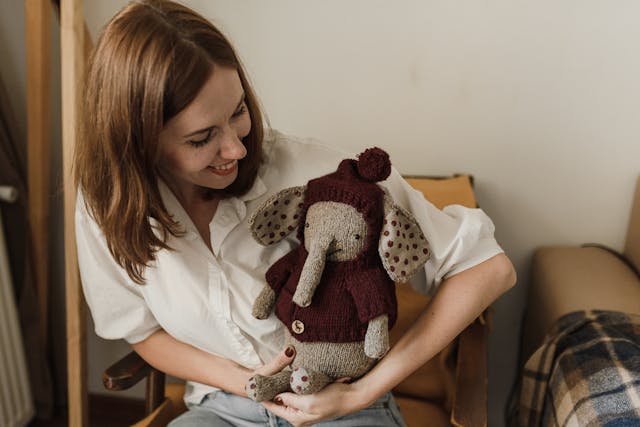
Handmade toys tend to loosen that grip. A child has to bring more of themselves to the game. That’s a good thing. It gives them more ownership over the story and more freedom to use the toy differently from one day to the next. A toy horse can be part of a farm in the morning, a rescue mission after lunch, and something entirely different by bedtime.
That kind of open-ended play has a longer life. It grows with the child instead of getting used up too quickly.
Wear and tear used to be part of the point
There’s something slightly absurd about how fragile some children’s products have become.A wheel snaps, a hinge gives out, a surface scratches badly, and suddenly the toy feels finished. Handmade toys often age more gracefully. A bit of wear doesn’t ruin them. If anything, it tends to make them feel more loved.
That’s one of the underrated pleasures of well-made objects. They don’t panic at use.They’re meant to be handled, knocked about, carried outside, lined up, stacked, dropped, and returned to. Parents feel that difference too. A sturdier toy usually creates less waste, less clutter, and fewer of those quiet regrets about buying something that looked fun for five minutes and then collapsed.
Handmade usually feels warmer because a person was part of it
Mass production has its place, but it can flatten the personality out of objects. Handmade toys often carry small signs of human judgement; the finish, the grain, the painting, the shaping, the proportions. Nothing feels too sterile. The toy feels like someone cared how it turned out.
That doesn’t make it precious or untouchable. Quite the opposite. It makes the object feel more grounded. More like something worth living with. In a child’s room full of fast, noisy, overdesigned items, that kind of warmth stands out.
And yes, adults respond to it too. A handmade toy often looks better in the home because it feels like an object, not just a product.
Childhood doesn’t need more clutter
A lot of parents are starting to feel the fatigue of excess. Too many toys, too many bits, too much stuff entering the house with no staying power. It creates visual noise, decision fatigue, and a constant low-level mess that never quite settles.
Handmade toys often push back against that because they’re easier to choose with intention. They don’t usually arrive in giant quantities. They tend to have more presence individually. One good toy can do more work than five flimsy ones if it actually earns repeat play.
That shift feels important. Less novelty. Better objects. More room for a child to attach to what they own rather than skimming over endless replacements.
Good toys don’t need to shout
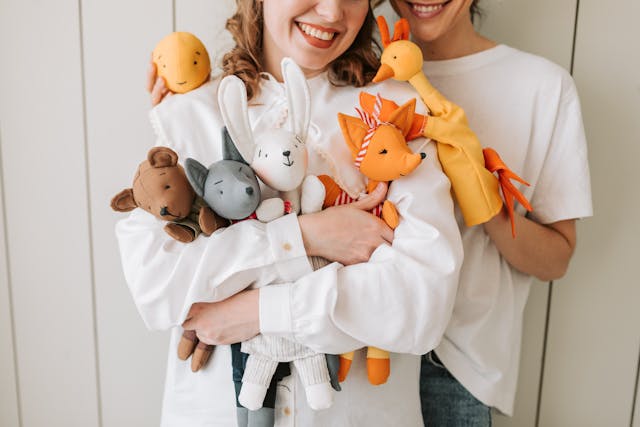
There’s a reason some of the most loved toys look fairly simple. Simplicity leaves room for attachment. It also leaves room for the child. A toy doesn’t have to be loud to be exciting. It doesn’t have to spin, light up, or talk back to hold value.
Handmade toys often understand that instinctively. They trust texture, shape, movement, and imagination to do the heavy lifting. That can seem old-fashioned if you’re looking at them through a marketing lens. In real life, it often feels like a relief.
Children get enough stimulation from the world already. Play doesn’t always need to add more noise.
The best toys often become part of family memory
Ask adults what toys they remember and it’s rarely the flimsy novelty item that came and went in a week. It’s the rocking horse, the train set, the dollhouse furniture, the hand-painted blocks, the wooden animal with one slightly worn corner from years of use. The objects lasted long enough to gather memory.
That’s where handmade toys still carry unusual value. They’re easier to keep, easier to pass down, and easier to remember because they had some substance to begin with. They weren’t only filling time. They were part of the texture of childhood.
Not everything meant for children should feel disposable
That may be the real issue underneath all this. Disposable products teach a disposable relationship with things. Use it briefly, lose interest, move on. Handmade toys suggest something better. Care for this. Keep it. Return to it. Let it become familiar. Let it last.
That doesn’t mean every toy has to be heirloom-worthy or deeply meaningful. Childhood should still be fun, messy, and full of experimentation. Still, there’s real value in giving children objects that feel worth hanging onto.
That’s why handmade toys still matter. They slow things down a little. They ask more of imagination. They survive real use. And in a world full of children’s products designed to be replaced almost immediately, that starts to feel less nostalgic and more sensible.







Leave a comment