






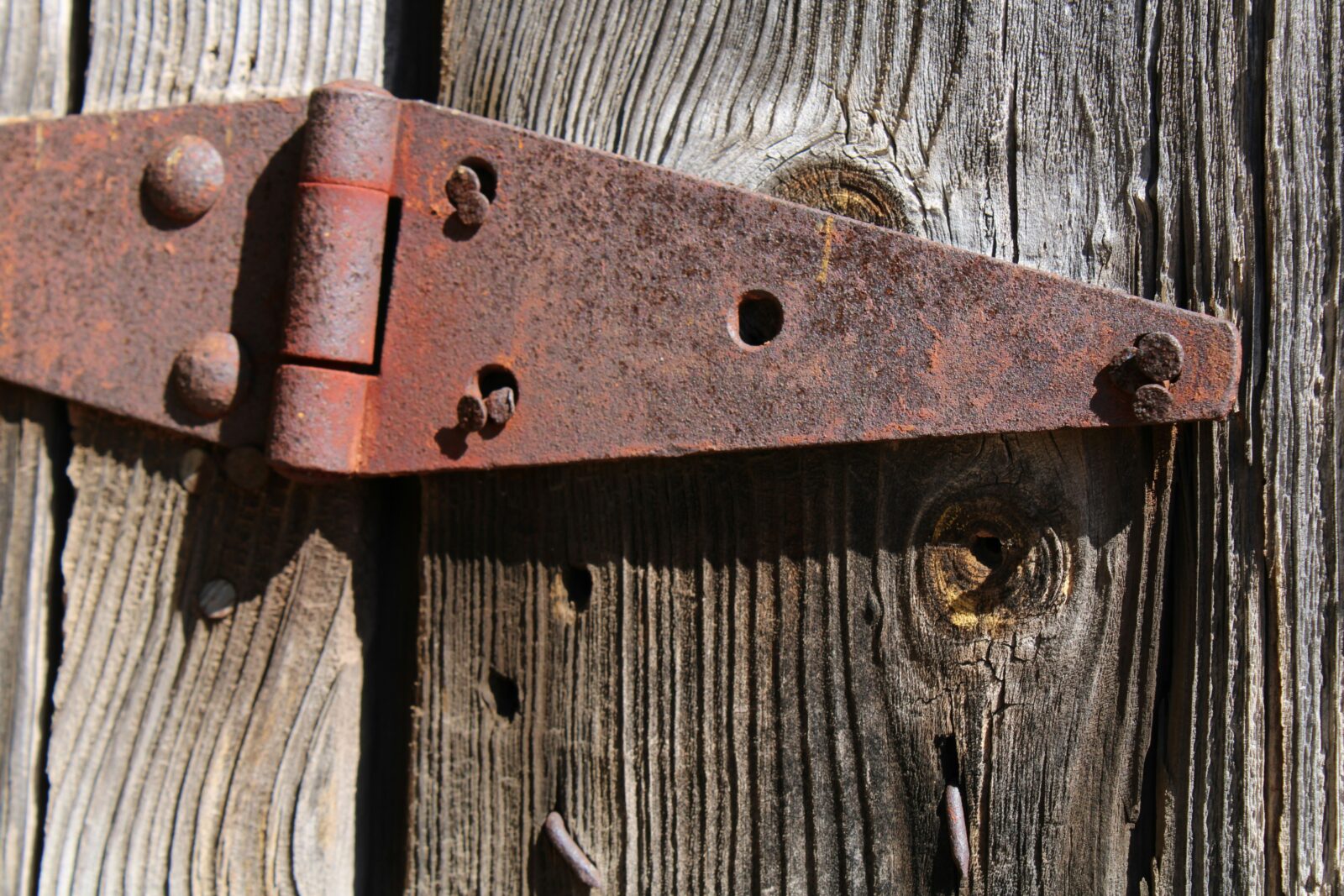
When you think about hinges, what comes to mind? Perhaps a simple metal piece holding your door in place or the quiet mechanism that allows cabinets to open smoothly. But there’s so much more to these often-overlooked components than meets the eye. Hinges are not just functional; they embody a fascinating evolution spanning centuries and reflect advancements in design and technology.
In today’s world, hinge types have transformed dramatically from their ancient counterparts. They now boast innovative features that enhance functionality while contributing aesthetically to interior spaces. Understanding modern hinge design can unlock new possibilities for both practical applications and creative expression in architecture.
Join us as we explore this captivating journey of hinges—discovering how they’ve evolved over time, the myriad options available today, and how they play a pivotal role in shaping our environments. Whether you’re an architect, designer, or DIY enthusiast, you’ll gain insights into why choosing the right hinge is essential for any project. Let’s dive deeper!
The Evolution of Hinges From Ancient Times to Modern Day
Hinges have a rich history that dates back thousands of years. The earliest known hinges were made from wood and used in ancient Egypt around 3,500 BCE. These rudimentary devices allowed access to tombs and temples, setting the stage for future innovations.
As civilizations advanced, so did hinge design. The Romans introduced bronze and iron hinges, enhancing durability and functionality. These materials paved the way for stronger constructions that could support larger doors.
During the Middle Ages, craftsmanship flourished with ornate designs becoming popular in castles and churches. Artisans created decorative hinges that showcased both beauty and utility. Exploring different hinge types reveals how design and functionality have evolved together over time.
Fast forward to the Industrial Revolution, where mass production transformed hinge manufacturing. Standardized sizes emerged alongside innovative materials like steel, making them more accessible than ever before.
Today’s hinges continue this evolution with smart technologies integrated into their structure—an impressive leap from those ancient wooden beginnings!
Traditional vs. Modern Hinge Design
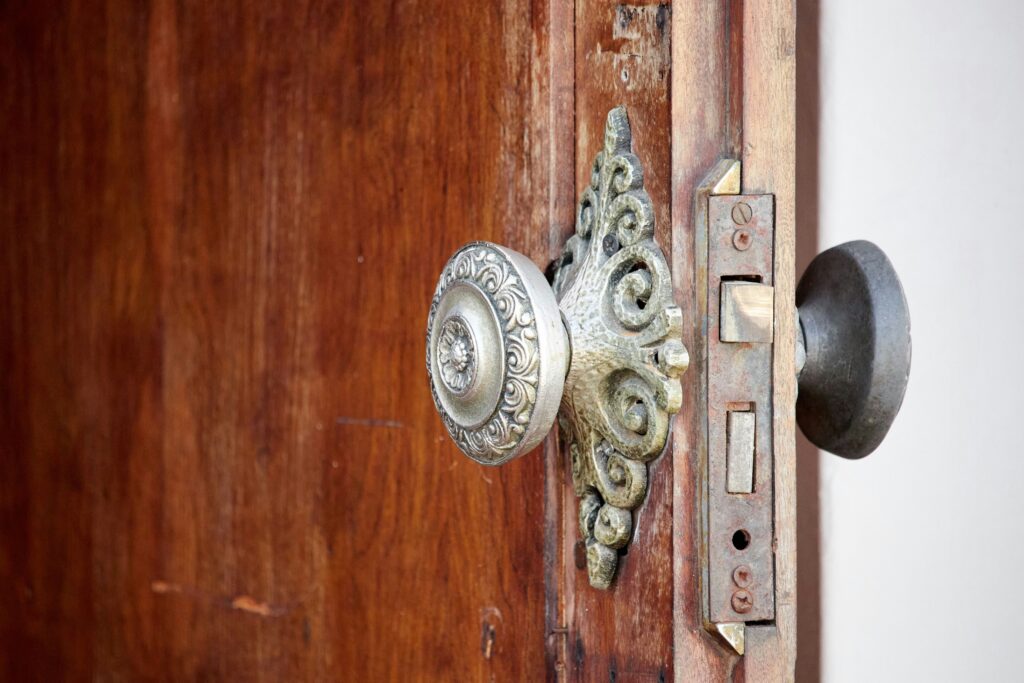
Traditional hinge design often reflects a classic aesthetic. These hinges, typically made from solid brass or wrought iron, are known for their durability and timeless charm. They feature simple mechanisms that have stood the test of time.
In contrast, modern hinge design embraces innovation. Many contemporary hinges incorporate advanced engineering principles to enhance functionality and aesthetics. Sleek lines and minimalist profiles characterize these designs.
Moreover, modern hinges may come with features like soft-close technology or concealed mechanisms. This allows them to blend seamlessly into cabinetry while ensuring smooth operation.
The materials used also differ significantly between styles. While traditional options lean towards metal finishes, today’s designs might use high-performance plastics or alloys for added strength without sacrificing style.
This evolution showcases how both types serve distinctive roles in architecture and furniture design while catering to diverse tastes and needs.
Factors to Consider When Choosing a Hinge
When selecting a hinge, several factors play a crucial role. First and foremost is the weight of the door or gate you intend to use it with. Heavier structures require sturdier hinges that can endure daily wear.
Next comes material compatibility. Whether your installation involves wood, metal, or plastic, choosing a hinge made from compatible materials ensures durability and functionality.
The environment matters too. For outdoor applications, consider rust-resistant options like stainless steel or bronze to withstand weather conditions.
Also think about aesthetics. Hinges are not just functional; they can also enhance design elements in your space. Options range from sleek modern designs to ornate traditional styles.
Don’t overlook the intended movement type—pivoting versus sliding mechanisms will directly influence the appropriate hinge type for your project.
Types of Modern Hinges
Modern hinges come in a variety of styles, each serving distinct functions. One popular type is the butt hinge, commonly found on doors and cabinets. Its simple design allows for smooth operation while remaining discreet.
Piano hinges are another interesting option. These long, continuous hinges provide exceptional strength and stability. They’re often used in pianos but can also be seen in various furniture designs.
Concealed or invisible hinges offer a sleek aesthetic by hiding the hardware within the door or frame. This creates a clean look that works well with modern interiors.
For specialized applications, self-closing hinges automatically pull doors shut after use. They’re perfect for high-traffic areas where convenience is key.
Pivot hinges allow for rotation around a vertical axis rather than typical swinging motion. This unique feature opens up new possibilities for creative design solutions in homes and offices alike.
Common Materials Used in Modern Hinge Design
Modern hinge design leverages a variety of materials, each offering unique properties suited for specific applications. Stainless steel is a popular choice due to its strength and resistance to corrosion. It’s ideal for both indoor and outdoor settings.
Brass hinges add an elegant touch, making them perfect for decorative purposes. Their durability ensures they can withstand frequent use without compromising aesthetics.
For lightweight applications, plastic or nylon hinges are often utilized. These materials are resistant to moisture and chemicals, proving beneficial in environments where metal might corrode.
Aluminum also plays a significant role in modern designs. It’s lightweight yet sturdy, offering flexibility while maintaining structural integrity.
Each material brings distinctive advantages that cater to diverse requirements in functionality and style. The selection process involves balancing these characteristics with the intended purpose of the hinge type being used.
Innovative Features and Technologies in Hinge Design
Hinge design has transformed significantly with the integration of innovative features and technologies. Today, hinges can boast self-closing mechanisms that enhance convenience in both residential and commercial spaces. These smart designs ensure doors close securely without manual effort.
Another exciting advancement is the use of soft-close technology. This feature eliminates slamming, allowing for a gentle, quiet closure every time. It’s perfect for maintaining peace in busy households or professional environments.
Moreover, many modern hinges now incorporate adjustable settings. This adaptability enables precise alignment after installation—a crucial benefit when working with different door materials and weights.
Smart hinges are also emerging on the market, equipped with sensors that offer security alerts or even remote access control via smartphones. These high-tech solutions cater to contemporary needs while enhancing user experience seamlessly.
The Role of Hinges in Interior and Architectural Design
Hinges play a crucial role in both interior and architectural design, often overlooked yet essential. They are not just functional components; they also contribute to the overall aesthetic of a space. From sleek, modern designs to ornate traditional styles, hinge types can enhance or detract from the visual appeal of doors and cabinetry.
In contemporary spaces, minimalist hinges made from high-quality materials add a touch of sophistication without drawing attention away from other features. In contrast, vintage homes might benefit from decorative hinge types that echo the building’s historical charm.
Moreover, hinges influence how we interact with our environment. Smooth-operating door pivots can enhance flow within a room while ensuring durability for heavy-use areas such as kitchens and bathrooms. The choice of hinge type affects functionality—heavy-duty options are needed for larger doors or gates to ensure safety and reliability.
Architects increasingly consider hinge placement in their designs for both practicality and style considerations. A thoughtfully chosen hinge not only aligns with the overall design but also supports structural integrity.
With the myriad of options available today—ranging from hidden hinges that create clean lines to self-closing varieties enhancing user convenience—the right choice enhances any project’s success while meeting specific requirements effectively. Embracing innovative designs elevates spaces beyond mere utility into realms where form meets function seamlessly.









Leave a comment